© Copyright 2025. All Rights Reserved by Presto Stantest Pvt. Ltd.
27-Mar-2026
Presto Enviro
The salt spray test is one of the most popular tests for determining the corrosion resistance of various materials, especially metals and coatings. The test is performed by exposing the test objects to severe environmental conditions, as the objects are sprayed with a controlled solution containing salts.
Corrosion is a big problem in many fields because it makes things and structures less good and less effective, so they need more upkeep and don't last as long. One of the best ways to find out how well and how long different materials last is to test them with a salt spray test chamber, as discussed in this article.
Corrosion takes place when a material interacts with air, moisture, and multiple chemicals or elements. This interaction can cause gradual and continuous damage to the materials over time. As time passes, the corrosion starts to damage the product, and eventually it is unusable.
Corrosion is a natural occurrence for all materials and occurs because a material's natural state (pure) is unstable as it attempts to stabilize itself through interaction with the environment. The two primary contributors to corrosion are air and moisture. When a metal combination meets up with oxygen and water, a reaction will occur (e.g. rusting of iron ultimately leads to a weakened metal).
The environmental conditions impact the corrosion rate; therefore, high humid conditions accelerate this process. Coastal areas contain salt within the air and accelerate the corrosion process. Industrial pollution will also cause materials to corrode at an accelerated rate.
The improvement of material corrosion resistance can be achieved by keeping the materials free from air, moisture, and chemicals. The method of achieving this includes applying coats to the materials, using different materials, and maintaining the materials properly.
Improvement in corrosion resistance means improving the ability of the material to withstand corrosion. This is achieved through various means. One way to achieve corrosion resistance is through the use of coatings. Materials are given coatings to prevent corrosion from exposure to air and moisture. This is achieved through various means, including galvanizing iron. The iron is given a coat of zinc to prevent corrosion.
Another way to achieve corrosion resistance is through the selection of materials. Some materials are naturally resistant to corrosion like stainless steel and aluminium which are good examples. They are able to form their own protective coatings. The use of inhibitors is also advantageous in improving corrosion resistance. This is achieved through the use of chemicals.
A salt spray test is a way to test how resistant a certain material is to corrosion. This test involves setting the test sample in a controlled environment where the material is exposed to a saline mist. In addition, this type of testing is to help predict the long-term durability of the material when it is exposed to its intended use.
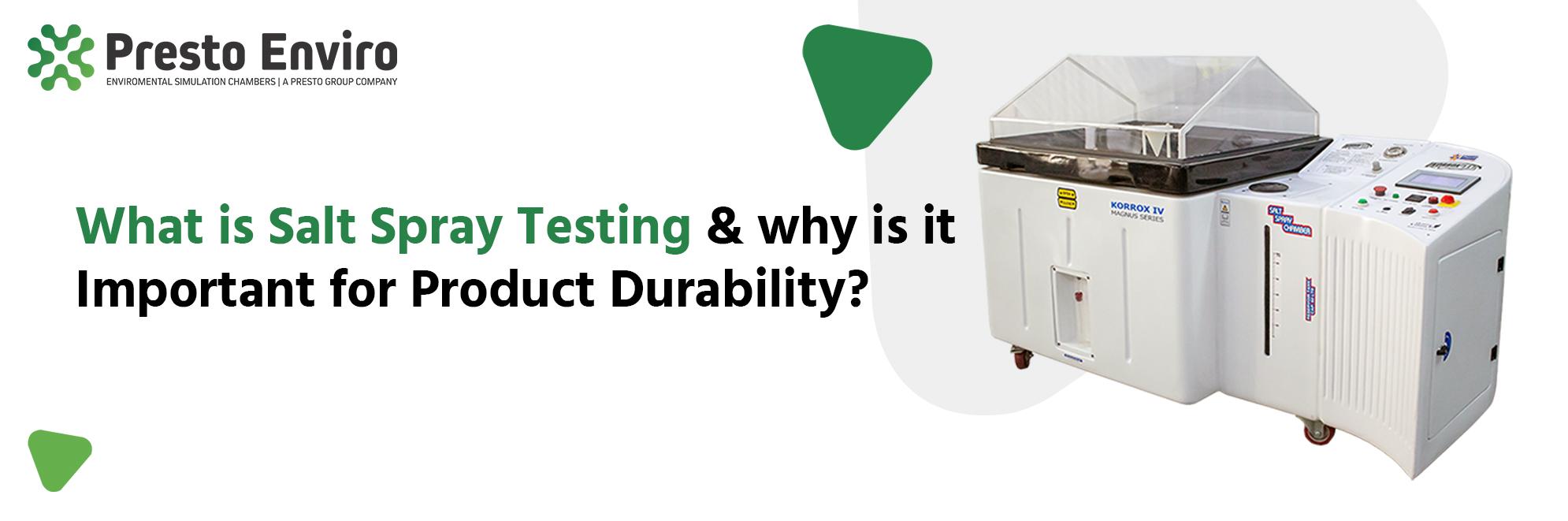
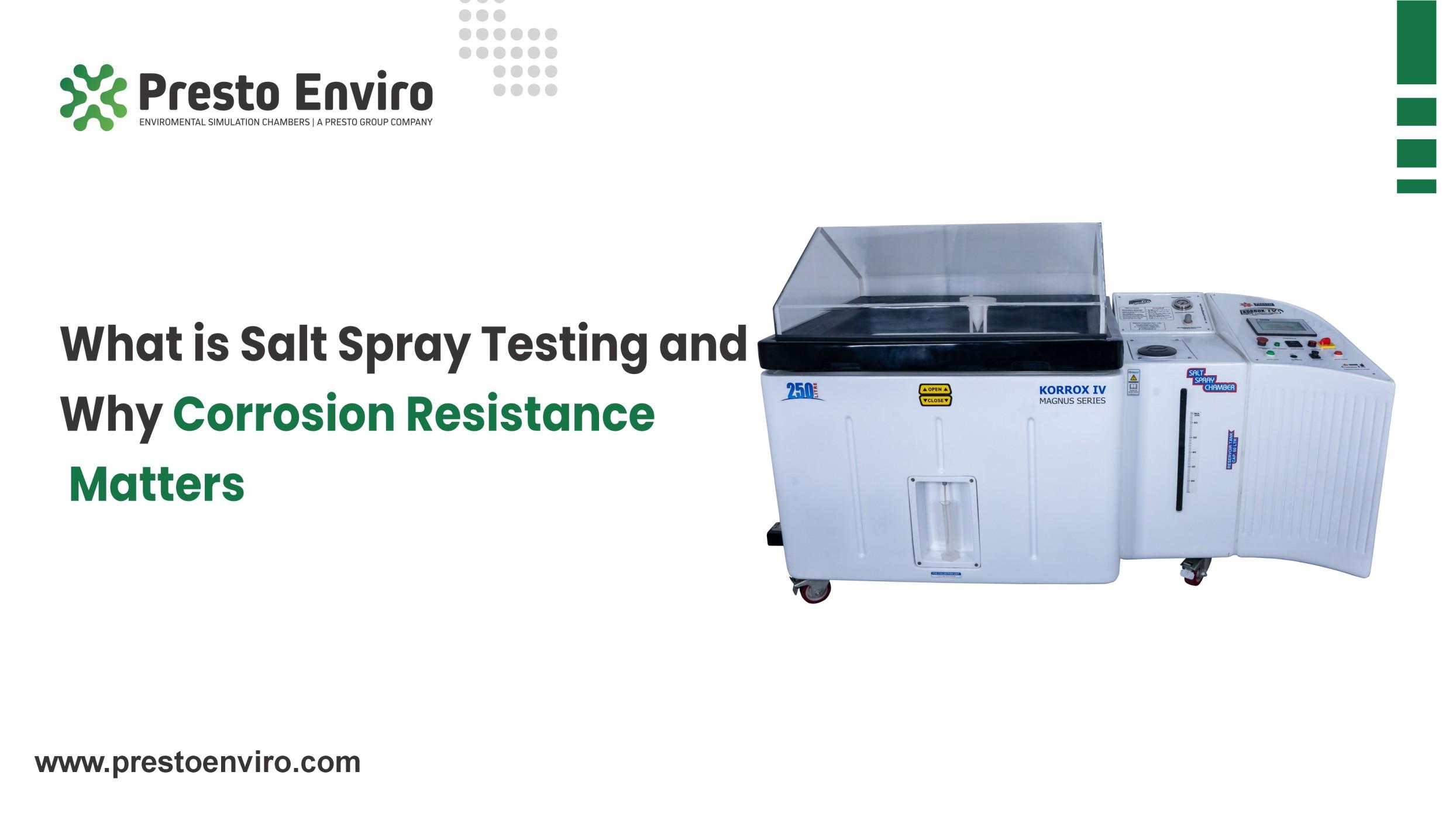
In this test, a special room is used. Inside this room, a salt solution is sprayed in the form of a fine mist. This solution is very corrosive in nature. It is similar to a location that is near a sea or a humid region. This test is conducted for a specific period of time. The period may be a few hours or even a few days. During this period of time, the material is checked for any signs of corrosion on its surface.
The manufacturing companies use the salt spray test to check the strength of the materials used by them. In simpler words, salt spray testing is a quick way of checking the corrosion resistance of a material.
Your test samples must be totally cleaned of any contamination such as dust, oil or contaminants, before beginning the test. Any contaminants remaining on the sample could alter the outcome of your testing.
Your samples need to be arranged in a specific way inside your salt spray chamber. Proper arrangement of your samples inside of the salt spray chamber can help ensure that each sample will receive equal exposure to the salt mist.
A specified concentration of NaCl (Sodium Chloride) salt solution is to be prepared for use as a mist within the salt spray chamber during the test.
Use the appropriate temperature, humidity, and pressure based on industrial standards for corrosive atmospheric conditions and keep them consistent throughout each test performed.
The salt aerosol chamber must provide a constant fine spray of saline solution to provide a corrosive atmosphere around samples being tested.
The sample was tested for 24 to 96 hrs to measure the length of time it had been exposed. The longer the exposure, the more the corrosion.
After the corrosion test, the sample should be inspected for visible signs of rust or corrosion and the condition of the coatings on the sample. All observations shall be noted to evaluate the performance of the materials being examined.
Accurate results from the salt spray test are only possible if everything about the test including setup, test conditions, and how the samples are performed, is correct. If there are any errors in any of these aspects of testing or even any single error then it could cause a complete failure of the entire salt spray test.
1. Use Clean Samples: Always clean the samples before testing. Otherwise, dust, oil, or dirt may interfere with the results. Clean surfaces provide precise results.
2. Maintain Correct Salt Solution: The salt solution has to be of the right concentration. It has to be prepared correctly following proper guidelines. Otherwise, the results may not be precise.
3. Control Temperature and Conditions: Temperature and humidity conditions should both be maintained within the chamber. Sudden temperature changes may affect the corrosion process.
4. Proper Placement of Samples: The sample should be placed at an appropriate angle. Overlapping or touching should be avoided. This ensures even exposure to salt mist.
5. Regular Calibration of Equipment: Inspect and calibrate your salt spray chamber regularly. This ensures the smooth functioning of the chamber's equipment.
Salt spray testing is a technique that assists in assessing the ability of materials to withstand corrosion. The biggest benefit of salt spray testing is that it is a fast, accurate, international standard-compliant test which makes it useful to enhance the quality and durability.
Salt spray testing is a fast test, unlike traditional tests where materials are exposed to salt spray, taking months or years to dry and show test results. Results from the salt spray test are visible in a few hours.
Manufacturers are able to identify materials or coatings that are weak, enabling them to improve the quality of their products before they are put on the market.
It also reduces costs in the long run. This is due to the fact that when there are problems, they are easily spotted at an early stage, and thus costly failures and repairs are avoided.
Different materials or coatings can be used for testing and comparing them. This is very helpful in determining the best material for a given purpose.
The salt spray testing method simulates harsh environmental conditions. This makes it very helpful in predicting the performance of materials.
Presto Enviro Salt Spray Test Chamber is a trustworthy device that is utilized for the testing of corrosion resistance. The equipment assists the industry in testing the durability of materials in extreme environmental conditions.
The Presto Enviro Salt Spray Test Chamber provides a durable, corrosion-resistant platform for simulating real-world environmental conditions. Featuring uniform mist distribution and precise temperature and humidity controls, this user-friendly equipment delivers consistent, reliable results. It ensures global compliance with ASTM standards, making it essential for the automotive, electronics, and coating industries.
Salt spray test processes are significant to evaluate the level of corrosion resistance. This testing method offers manufacturers a predictable designation of the performance of their products in demanding environmental conditions. Additionally, having the defect detected will help improve the quality of the product as a result of the salt spray test process. The corrosion process is a natural one.
However, salt spray testing can effectively control this phenomenon. By utilizing quality equipment, salt spray test chambers provide the best results. This form of testing has significant benefits for industries like automobiles, construction, and electronics. Salt spray testing is a simple, quick, and effective form of testing that assures the performance, safety, and reliability of materials.
Elevate your quality assurance process to new heights
Related Blogs

23-Sep-2026
Presto Enviro
Products are expected to work reliably for months or years, but manufacturers cannot always wait that long to find out how they will perform. Accelerated aging testing solves this problem by exposing products to controlled environmental conditions that speed up certain aging effects.
20-Sep-2026
Presto Enviro
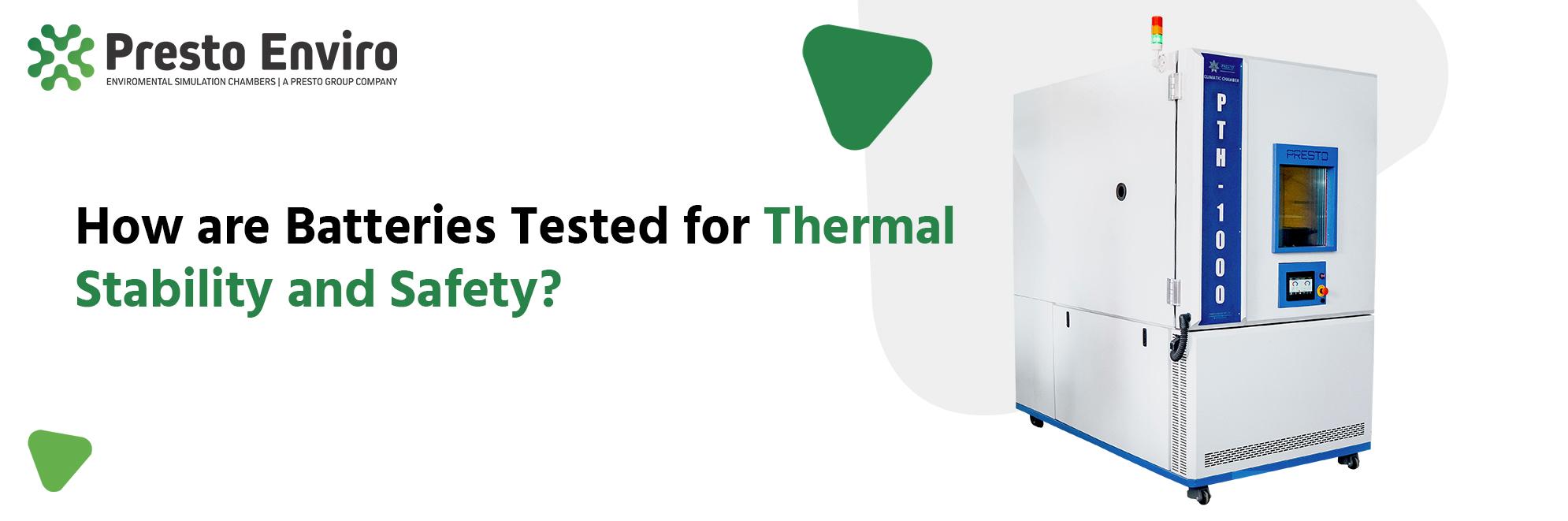
Battery safety is not something manufacturers can check only after a battery is ready for use. Temperature, charging conditions and repeated use can change the way a battery behaves. In some cases, excessive heat can cause permanent damage or create serious safety risks.
15-Sep-2026
Presto Enviro
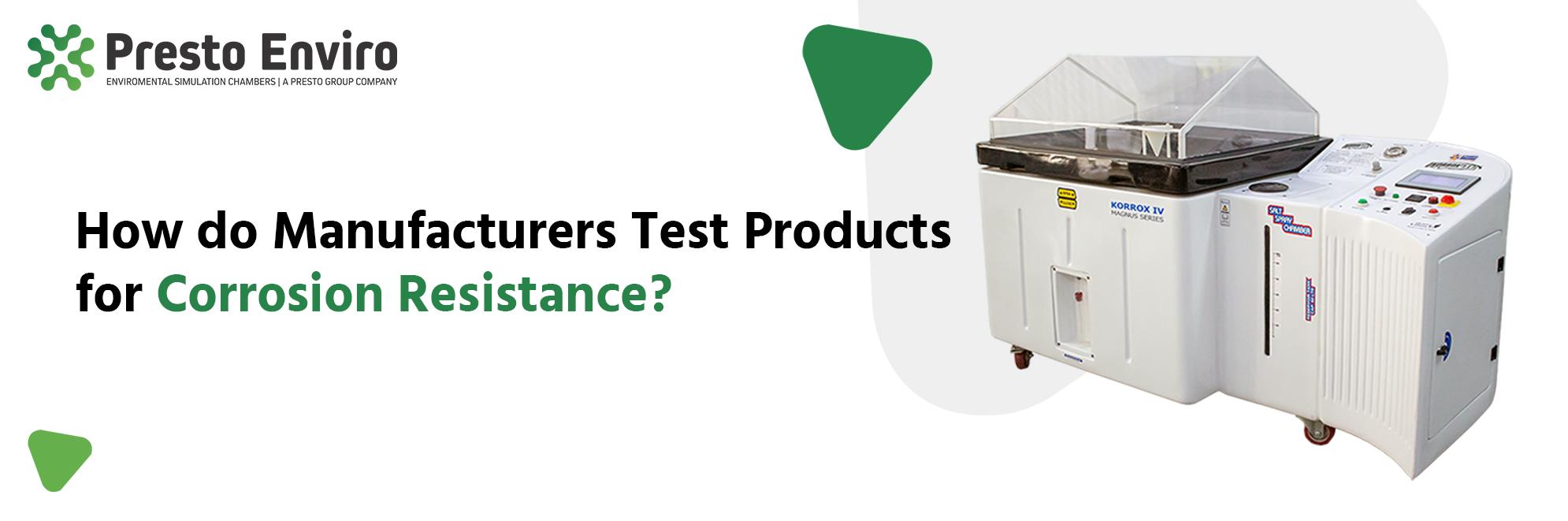
Corrosion is one of those problems that may appear mild at first and later turn costly. A metal part may leave the manufacturing facility appearing undamaged, yet suffer corrosion, stain formation or coating failure as a result of its contact with moisture, salts and changing weather conditions.