© Copyright 2025. All Rights Reserved by Presto Stantest Pvt. Ltd.
18-Jun-2026
Presto Enviro
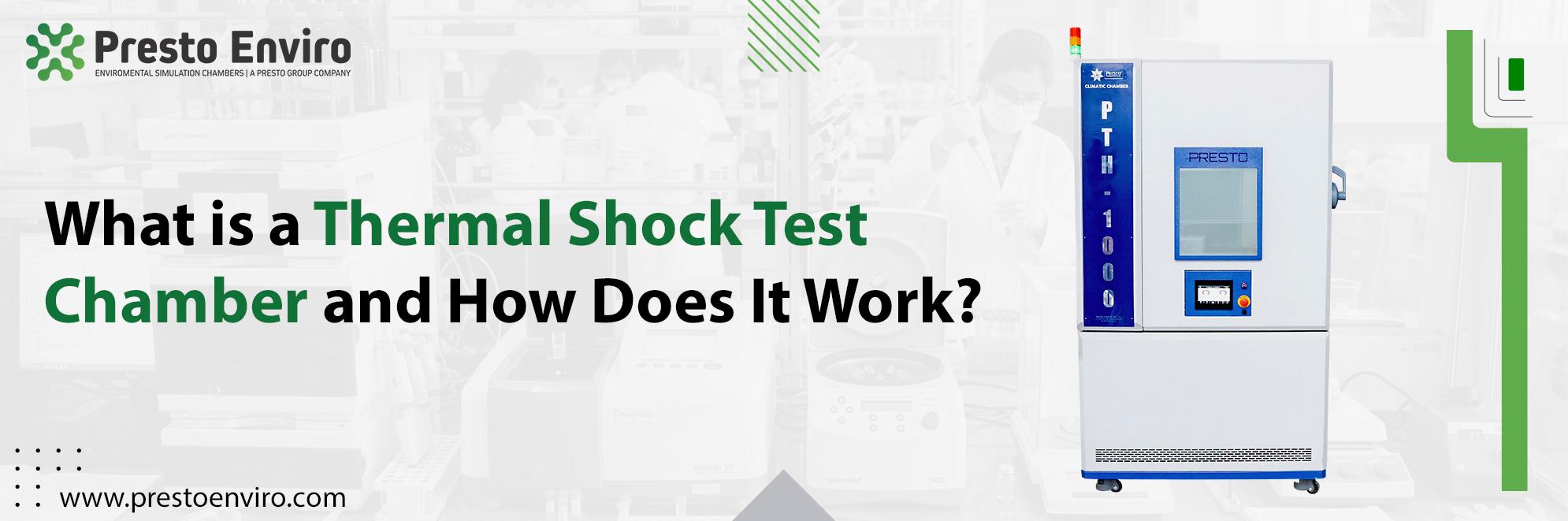
It is very common for electronic components, automotive parts, and industrial materials to fail when moving between extreme hot and cold environments. Often, when there is a large difference between these two values, products face extreme shock and may break before their actual lifespan. This article breaks down how a thermal shock test chamber simulates these sudden temperature drops and spikes to uncover hidden manufacturing defects before products reach the market.
The rapid temperature changes happen all the time in the real world. When things heat up or cool down, they expand and contract. If you bond plastic to metal or solder a chip onto a circuit board, those different materials move at different speeds. That is where cracks happen and wires snap. Normal ovens or cooling chambers shift temperatures way too slowly to catch these problems, so engineers need a machine that can force these brutal shifts instantly in a lab setting.
In this article, we will discuss how the thermal shock test chamber actually functions and helps in all real-world scenarios. We will look at the internal engineering of the chambers, walk through what happens to a sample during a live test cycle, and see which industries rely on this data. This breakdown helps quality teams pick the right test limits to stop field failures before a product ever ships out.
A thermal shock test chamber is a specialized environmental testing machine that exposes products to alternating extreme hot and cold temperatures within seconds. It forces materials to transition between thermal extremes to reveal weak spots like structural cracks or electrical disconnects.
In simple terms, these machines act as a pure torture test for hardware. Standard temperature chambers slowly ramp the air up or down over several hours, but a thermal shock unit alters the environment almost instantly. The main goal here is not just checking if a microchip can survive at minus forty or plus one hundred degrees. The real goal is to see how the physical package copes with the violent jump between those two numbers. This intense stress shows if layers will delaminate or peel apart under pressure.
Most chambers use separate built-in rooms to make this happen. You have a hot zone held at a high baseline and a cold zone chilled down continuously. A mechanical basket system lifts or drops the test items between these zones in less than ten seconds. Some specialty models use liquids for the test, but air-to-air systems remain the absolute standard for consumer tech and mechanical parts. This process crams years of outdoor weathering into just a few hours of lab cycles.
Thermal shock test chamber works by keeping two separate compartments at opposite temperature extremes and rapidly moving the test samples between them using an automated lift system. This creates an immediate thermal blast that stresses the internal structure of the component.
The shock chamber keeps high-powered heaters and heavy-duty refrigeration compressors running at the same time so both zones stay primed. Here is how a normal test cycle works when you run it in a lab:
Finally, the machine shuffles the basket back and forth for dozens or hundreds of cycles. When it finishes, you pull the parts out to check for microscopic cracks or run electrical tests to find internal damage.
Industries use these chambers to test the durability of electronics, automotive sensors, aerospace parts, and medical devices that will be exposed to extreme climate changes. It helps engineers find material weaknesses before mass production begins.
The electronics sector uses this tool constantly. Solder joints connect different metals and composites that expand unevenly when warm. A few runs through a shock chamber will quickly tear apart weak connections, allowing teams to tweak the board design before manufacturing thousands of units. Phones, laptops, and engine controllers all get this treatment.
Automotive and aerospace applications face even rougher conditions. Sensors mounted near engines or gear assemblies see massive heat spikes followed by freezing cold rain or high-altitude air. Missing a tiny flaw in a housing seal allows moisture inside, which shorts out vital controls. Testing forces those flaws into the open early.
Presto Enviro designs high-performance thermal shock chambers engineered for precise temperature control, rapid transfer speeds, and long-term mechanical reliability. Their equipment aligns with international testing standards to provide accurate data for quality assurance teams.
Picking the right machinery changes everything when it comes to data accuracy. Our instruments are designed with heavy insulation and highly efficient cooling systems to hold zone temperatures steady even when stuffed with heavy parts. Our automated lift drives move smoothly to prevent shaking during zone transfers.
Presto Enviro gear features an easy to use daily interface to facilitate the operation of simple multi-zone profiles, viewing of real-time recovery rates from your main display, and having automatic data logs for quality control audits. You can also count on the durability of our equipment to help you minimize maintenance, which means you will be an invaluable resource to busy testing laboratories that have multiple shifts operating continuously.
Thermal shock testing is a vital step in product development that exposes hidden design flaws by forcing rapid expansions and contractions in materials. Utilizing dependable equipment from manufacturers like Presto Enviro ensures your test data is accurate, repeatable, and capable of protecting your products from unexpected field failures.
Elevate your quality assurance process to new heights
Related Blogs
20-Sep-2026
Presto Enviro
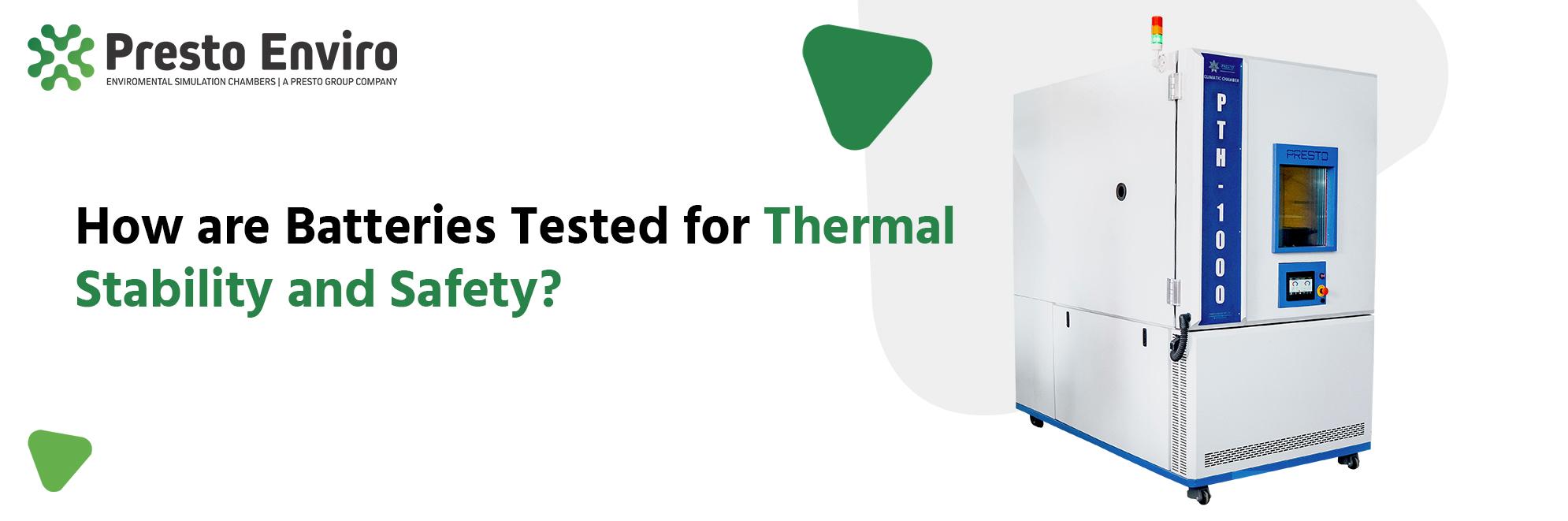
Battery safety is not something manufacturers can check only after a battery is ready for use. Temperature, charging conditions and repeated use can change the way a battery behaves. In some cases, excessive heat can cause permanent damage or create serious safety risks.
15-Sep-2026
Presto Enviro
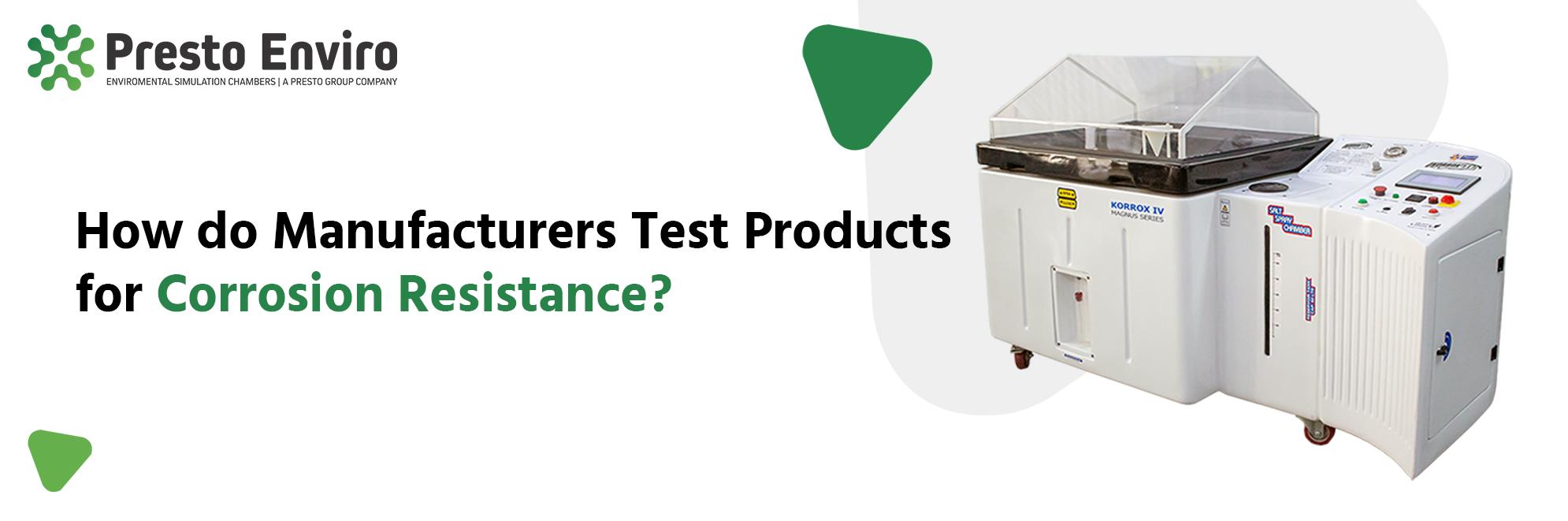
Corrosion is one of those problems that may appear mild at first and later turn costly. A metal part may leave the manufacturing facility appearing undamaged, yet suffer corrosion, stain formation or coating failure as a result of its contact with moisture, salts and changing weather conditions.
11-Sep-2026
Presto Enviro
Metal parts exposed to environmental elements like rain, high humidity and saline air are subjected to quick degradation. Manufacturers don’t have years to wait to see long-term real-world durability with immediate shipping deadlines.