© Copyright 2025. All Rights Reserved by Presto Stantest Pvt. Ltd.
23-Mar-2026
Presto Enviro
Outdoor products frequently encounter various climatic elements, such as rain and humidity. However, many manufacturers face difficulty in determining how well their products will hold up to prolonged periods of heavy precipitation. Electrical devices, as well as those that have electrical components, will deteriorate owing to water penetration into the housing; this results in reduced functionality and potentially leads to shortened product life, as well as something not discovered until long after the product has been introduced into the marketplace.
Because of this, many industries rely on purpose-built environmental test equipment. Rain test chambers simulate rain at specific rates and allow manufacturers to objectively assess the degree of water penetration into a specific product test sample during controlled conditions. This way, the manufacturer can determine if its product passes the test and is water penetrative before it reaches retail shelves.
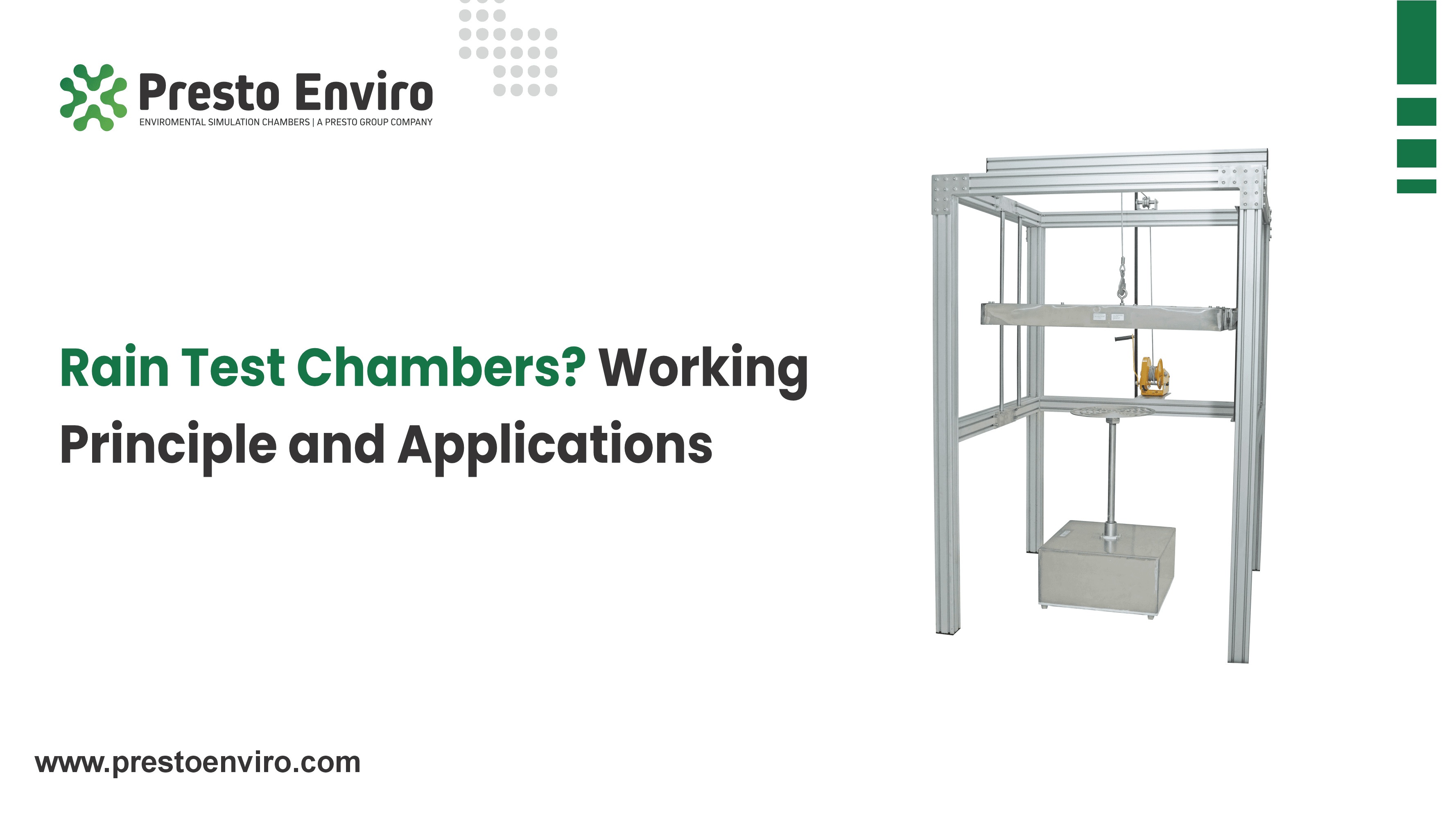
Rain test chambers act as a way to facilitate controlled rainfall within a laboratory setting for the purpose of testing various aspects of products manufactured for outdoor applications. Its functionality replicates a variety of simulated rainfall intensities through the use of controlled water spray apparatuses.
During its working, the product will remain inside the test chamber and be exposed to simulated rain for a specified duration of time. Rain test chamber allows manufacturers to examine how water interacts with surfaces, seals, and internal components of the product.
If the product is subsequently compromised by the effects of moisture, or there is a functional problem with the product due to moisture entering the product, this will provide manufacturers with an early indication of where the product is weak.
Conducting rain simulation testing allows manufacturers to ensure that their products meet the needs of environmental protection.
Rain test chamber working principle is based on the formation of natural rainfall by utilizing a controlled water spray system. The water is sprayed onto the test surface from multiple directions using spray nozzles, creating an even distribution of water over the test surface.
Water pressure and flow rates can be adjusted to provide a simulation of varying amounts of rainfall. Depending on the requirements of the specific test being conducted, these parameters can replicate light, moderate, or heavy rainfall.
In addition, to ensure that every surface of the test sample is exposed to equal amounts of water during the test, the control systems can use a rotating platform to provide equal exposure of the entire test sample.
The analysis of performance during testing will provide an indication of whether or not the test sample meets the environmental protection requirements it was designed to fulfill.
The international environmental testing standards specify the procedures for testing products and the requirements for simulating the amount of rainfall.
Rain test chambers have a wide range of applications in industries that manufacture products designed to operate outdoors or in harsh conditions. Uses of the rain test chamber include electronics, components for the automotive industry, electrical enclosures, lighting systems, and consumer products.
If you use an electronic device outside, you need to have it tested for water resistance to ensure that the unit isn’t going to get wet and become damaged due to rain.
Any automotive component that is exposed to rain for example, headlights, sensors, and the electrical systems of the vehicle, needs to be able to withstand rain and humidity while it is being used.
Electrical equipment that is used outside such as electrical enclosures and panels must undergo a rain test to determine how well water will get into them.
Outdoor lighting would need to be tested in order to show that it could function in wet conditions.
Rain exposure can compromise the reliability of many products. Therefore, manufacturers must evaluate product performance under controlled rain conditions using a rain-test chamber. Selecting the top manufacturer, like Presto Enviro, guarantees reliable testing by identifying design flaws from an engineering standpoint which is best accomplished with a high-quality unit.
For example, testing a product using standardized rain test procedures ensures reliable and consistent results. Consequently, simulated rain testing is crucial for enhancing product longevity and environmental dependability.
Elevate your quality assurance process to new heights
Related Blogs
23-Sep-2026
Presto Enviro
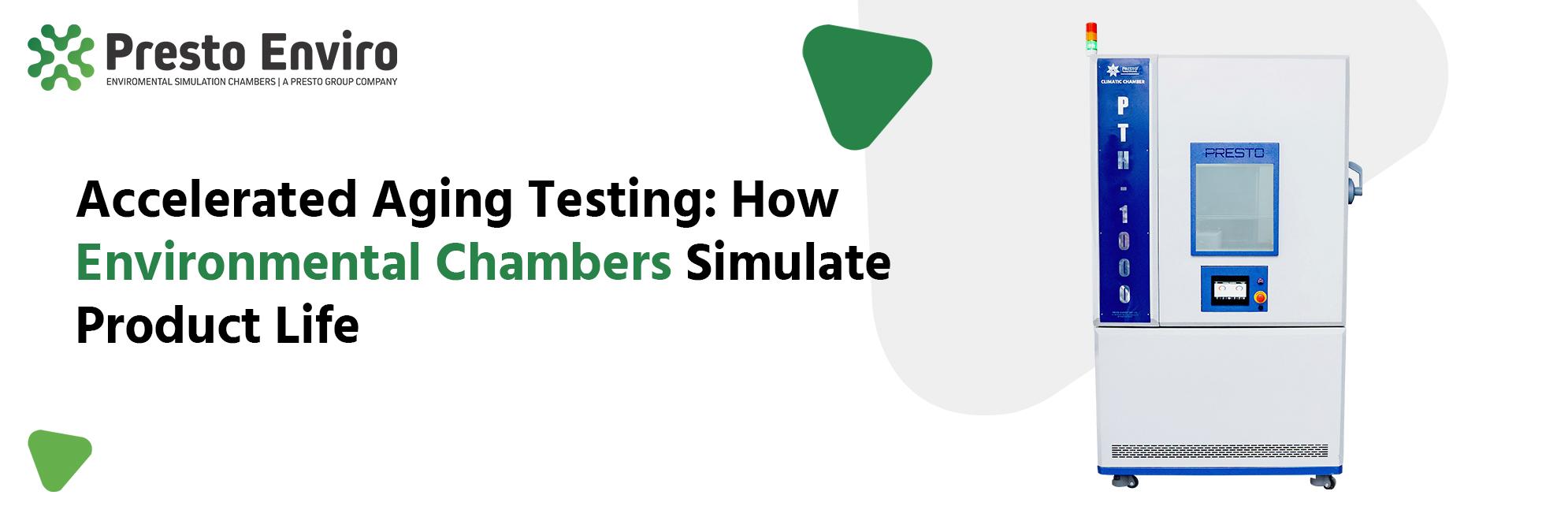
Products are expected to work reliably for months or years, but manufacturers cannot always wait that long to find out how they will perform. Accelerated aging testing solves this problem by exposing products to controlled environmental conditions that speed up certain aging effects.
20-Sep-2026
Presto Enviro
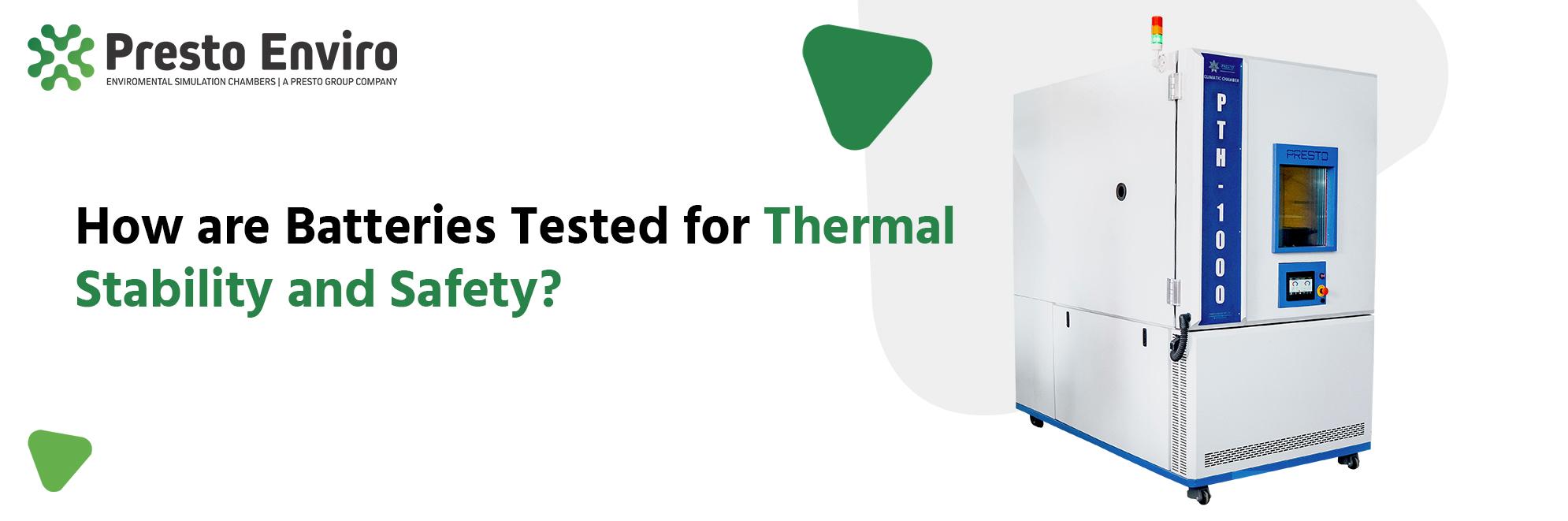
Battery safety is not something manufacturers can check only after a battery is ready for use. Temperature, charging conditions and repeated use can change the way a battery behaves. In some cases, excessive heat can cause permanent damage or create serious safety risks.
15-Sep-2026
Presto Enviro
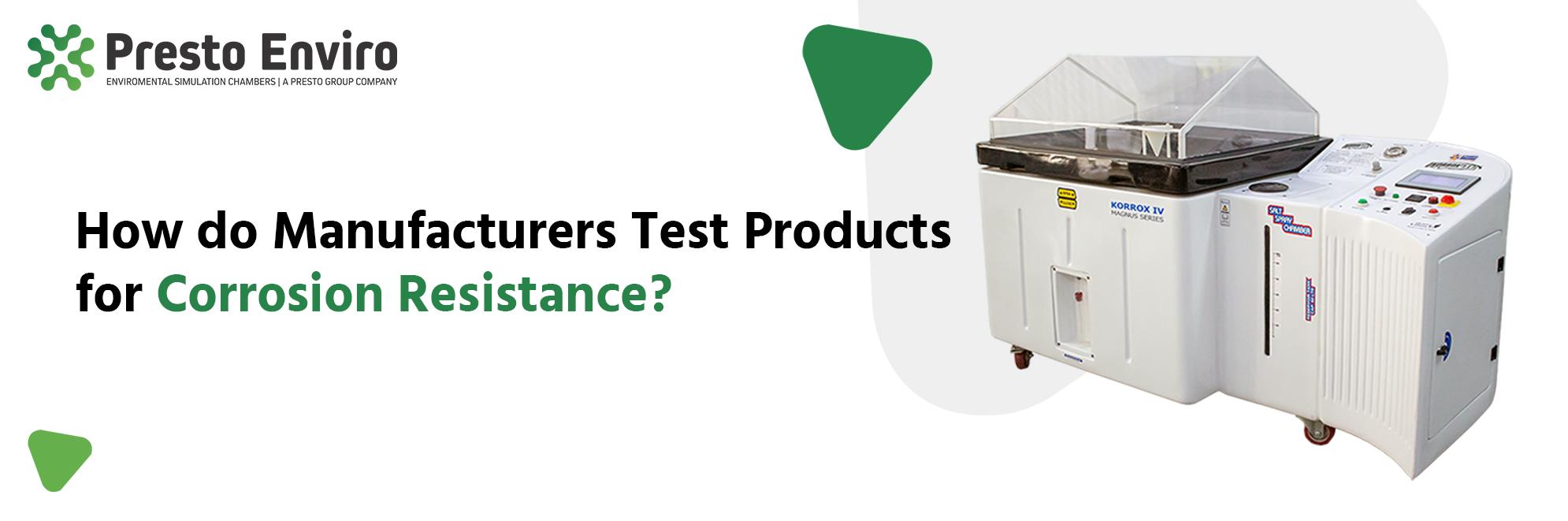
Corrosion is one of those problems that may appear mild at first and later turn costly. A metal part may leave the manufacturing facility appearing undamaged, yet suffer corrosion, stain formation or coating failure as a result of its contact with moisture, salts and changing weather conditions.