© Copyright 2025. All Rights Reserved by Presto Stantest Pvt. Ltd.
17-Sep-2026
Presto Enviro
Buying environmental simulation equipment is not simply about finding a chamber with a wide temperature range or a long list of features. The real question is whether the equipment can reproduce the conditions your laboratory actually needs to test.
A chamber may look impressive on paper and still be unsuitable for a particular test profile. Temperature and humidity control, sample load, chamber size, applicable standards, data recording and service support all deserve a closer look before making the purchase.
This article covers the main factors laboratories should compare when selecting environmental simulation equipment and how to avoid choosing a system based only on price or basic specifications.
Environmental simulation equipment is used to expose products and materials to controlled environmental conditions in a laboratory. It allows manufacturers to study how a sample behaves when subjected to conditions such as temperature, humidity or changing climatic conditions.
The basic idea is simple. Instead of waiting for a product to experience months of outdoor exposure or different weather conditions, a controlled chamber can reproduce selected conditions in a much shorter and more repeatable test environment.
Depending on the application, environmental testing equipment can include temperature and humidity chambers, conditioning chambers, cyclic test chambers, salt fog chambers and xenon weathering chambers. Presto Enviro offers environmental testing solutions for applications involving temperature, humidity, corrosion and weathering.
The first thing a laboratory should compare is not the equipment. It should compare the test requirement with what the equipment can actually deliver.
Before asking for quotations, define the temperature range, humidity range, exposure time, number of cycles and type of sample involved. If the test requires rapid changes in temperature or a particular humidity condition, those details need to be part of the equipment specification.
This sounds obvious but it is often where the selection of environmental simulation equipment goes wrong. A machine may have the required minimum and maximum temperature yet still fall short when the actual test involves a specific ramp rate, load or humidity condition.
Temperature range is important but it is only one part of chamber performance. Labs should also look at stability, uniformity, fluctuation and recovery.
For humidity testing, the humidity range and control capability need the same attention. A chamber that reaches the required set point but struggles to maintain it under the actual test load may not be suitable for demanding laboratory work.
A programmable temperature and humidity chamber from Presto Enviro is designed for controlled temperature and humidity testing. Our published specifications include a temperature range of minus 40°C to plus 150°C and a humidity range of 20% to 98% RH for the listed model.
So when comparing two machines, don't stop at the headline range. Check what happens after the chamber reaches the set point.
The internal working space of environmental simulation equipment should match the samples you plan to test. It sounds straightforward, yet this is an area worth thinking about before the purchase.
Look at the dimensions of the largest sample, the number of samples tested together and the space needed around them for proper air circulation. Fixtures, racks and cables may also take up useful chamber space.
A very small chamber can restrict future testing. A much larger one can increase the footprint and operating requirements without giving you much practical benefit. The right size is the one that suits the current test program while leaving some room for expected requirements.
The environmental simulation equipment should be selected around the test standard rather than the other way around.
Depending on the industry, a laboratory may need to work with ASTM, ISO, IEC, automotive or other industry specific methods. Check the exact standard and test procedure before finalizing the equipment.
Also look beyond statements such as “suitable for international standards.” Ask the manufacturer which standard the equipment configuration supports and whether the required temperature, humidity, cycle or exposure profile can actually be achieved.
Presto Enviro environmental testing equipment is designed for various national and international test methods like ASTM D1693. That kind of information is much more useful than a general compliance statement.
Environmental simulation equipment should give the operator proper control over the test conditions. This becomes particularly important when a test involves multiple temperature or humidity stages.
Check whether the system allows programmable cycles, set point changes, timers, alarms and real time monitoring. Data logging is also worth considering if test records need to be reviewed later.
For routine testing, a simple control system may be enough. For repeated or complex profiles, better programming capability can save considerable operator time.
A chamber's performance should be considered with the actual sample inside it, not only when it is empty.
Large samples or products that generate heat can place additional demand on the chamber's heating and cooling system. Electronics, batteries and powered components are good examples where this can matter.
Think about the sample mass, heat generation, fixtures and number of specimens that will be tested at once. Ask the supplier how the stated performance changes under the intended load.
This part matters because laboratory testing is performed on products, not on an empty chamber.
Safety requirements depend on what is being tested and how the environmental simulation equipment is operated.
At a minimum, laboratories should look for appropriate temperature protection, alarms, electrical protection and emergency controls. For tests involving batteries, flammable materials or products that can release heat or gases, additional safety provisions may be necessary.
The laboratory should also consider what happens if the chamber develops a fault during an unattended test. A good alarm and protection system can prevent a small equipment problem from becoming a much larger issue.
Environmental simulation equipment needs proper measurement control throughout its working life. Ask the supplier about calibration, verification and documentation before purchasing.
Find out what is supplied with the equipment and what support is available later. Calibration of temperature and humidity measurement systems may need to be performed at defined intervals based on the laboratory's quality system and application.
For laboratories working under controlled quality systems, maintaining calibration records and demonstrating measurement traceability can be just as important as the initial equipment purchase.
The lowest quotation is not necessarily the lowest cost option over the life of the equipment.
Consider electricity consumption, maintenance, calibration, replacement parts, consumables and service requirements along with the initial price. If the chamber will operate for long hours every day, running costs can become significant.
It is also worth asking how easily service technicians can access major components. A machine that is difficult to maintain can create unnecessary downtime later.
Technical support becomes important after installation. This is when the laboratory finds out how useful the supplier really is.
Check the availability of installation support, operator training, preventive maintenance, calibration assistance and spare parts. Ask how breakdown complaints are handled and whether technical support is available in your location.
Presto Enviro provides services including technical support, maintenance support, training service, repair and parts support.
For a laboratory that depends on environmental testing for production or quality decisions, equipment downtime is not a small issue.
Labs should compare environmental simulation equipment against the actual test profile rather than comparing brochures line by line. A practical comparison should include technical performance, operating requirements and long term support.
A simple checklist can include:
This approach makes the buying decision much more practical. It also makes it easier to identify why one chamber is suitable for a particular laboratory while another may not be.
Presto Enviro offers environmental testing solutions designed to reproduce controlled climatic and environmental conditions for laboratory testing. Our range includes temperature and humidity environmental test chambers, programmable temperature and humidity chambers, humidity or conditioning chambers, cyclic test chambers and xenon weathering equipment.
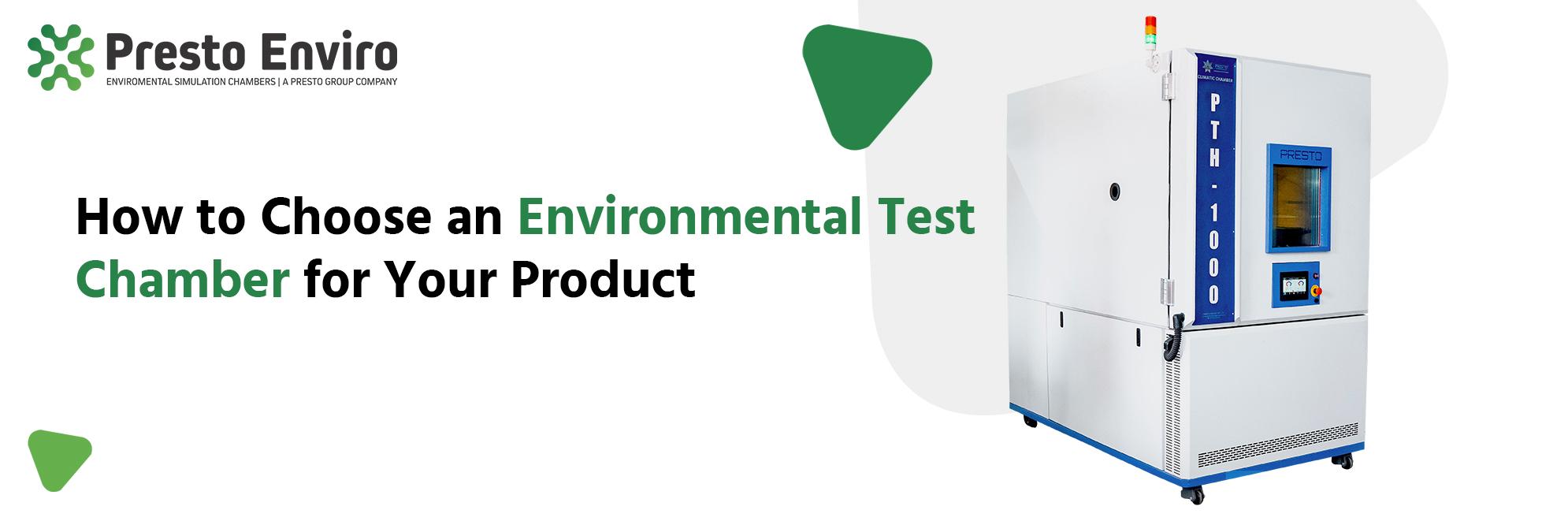
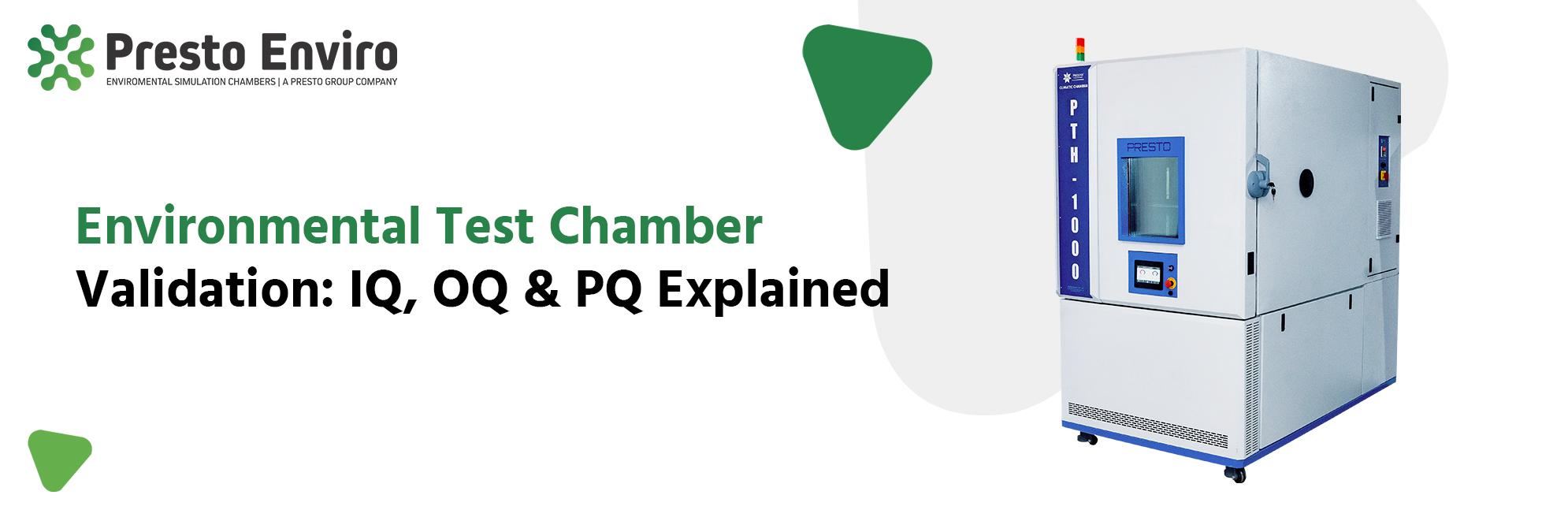
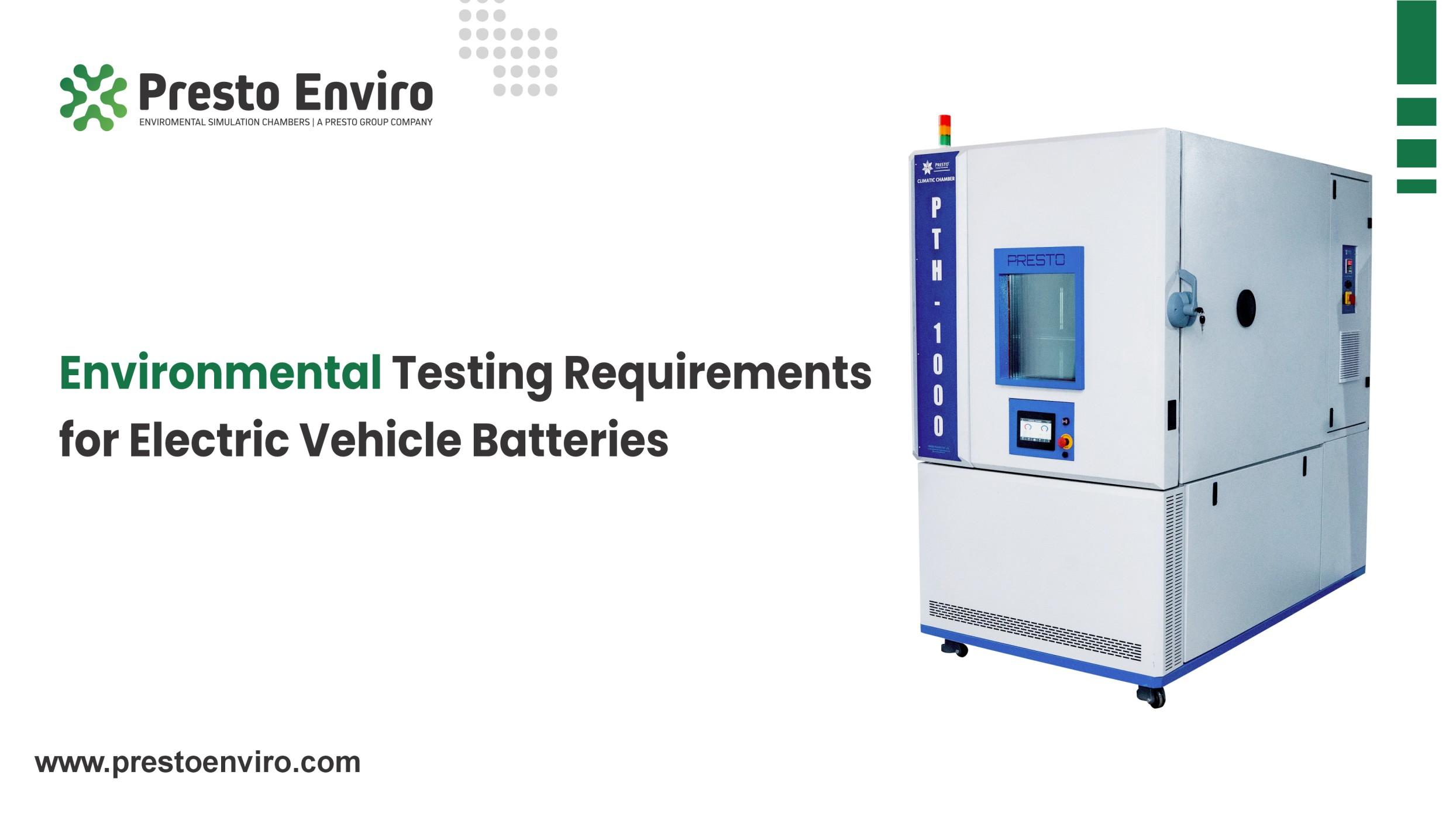
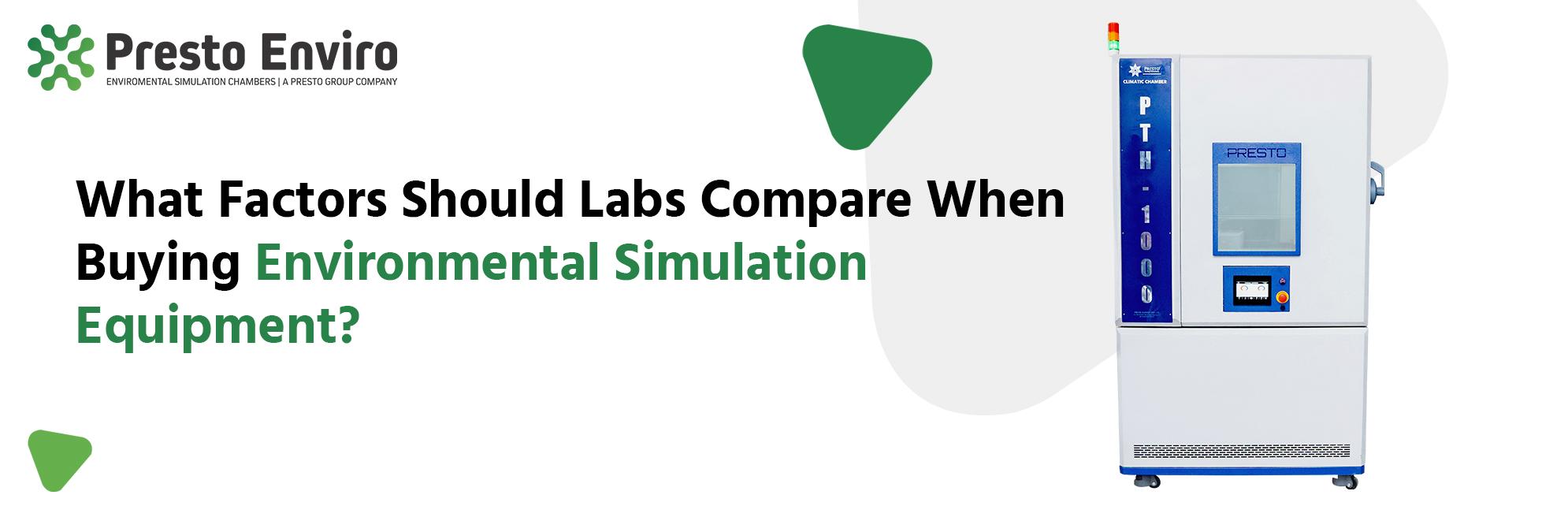
For example, our PTH programmable temperature and humidity chamber is designed to evaluate materials, products and components under controlled temperature and humidity conditions. The equipment supports programmed temperature and humidity cycles and provides touchscreen control for setting and monitoring the test.
The right equipment still depends on the laboratory's specific requirements. Sample size, test method, environmental profile and applicable standard should be discussed before selecting a configuration.
Choosing environmental simulation equipment is really about matching the machine to the test. Temperature range alone does not tell you enough.
Laboratories should compare control performance, chamber volume, sample load, standards, programming, safety, calibration, operating cost and after sales support before making the final decision. A little more attention during selection can prevent limitations later.
Presto Enviro provides a range of environmental testing solutions for laboratories and manufacturers working with temperature, humidity, corrosion and weathering requirements. The best starting point is still the same: define the test requirement clearly and then select the equipment around it.
Elevate your quality assurance process to new heights
Related Blogs
15-Sep-2026
Presto Enviro
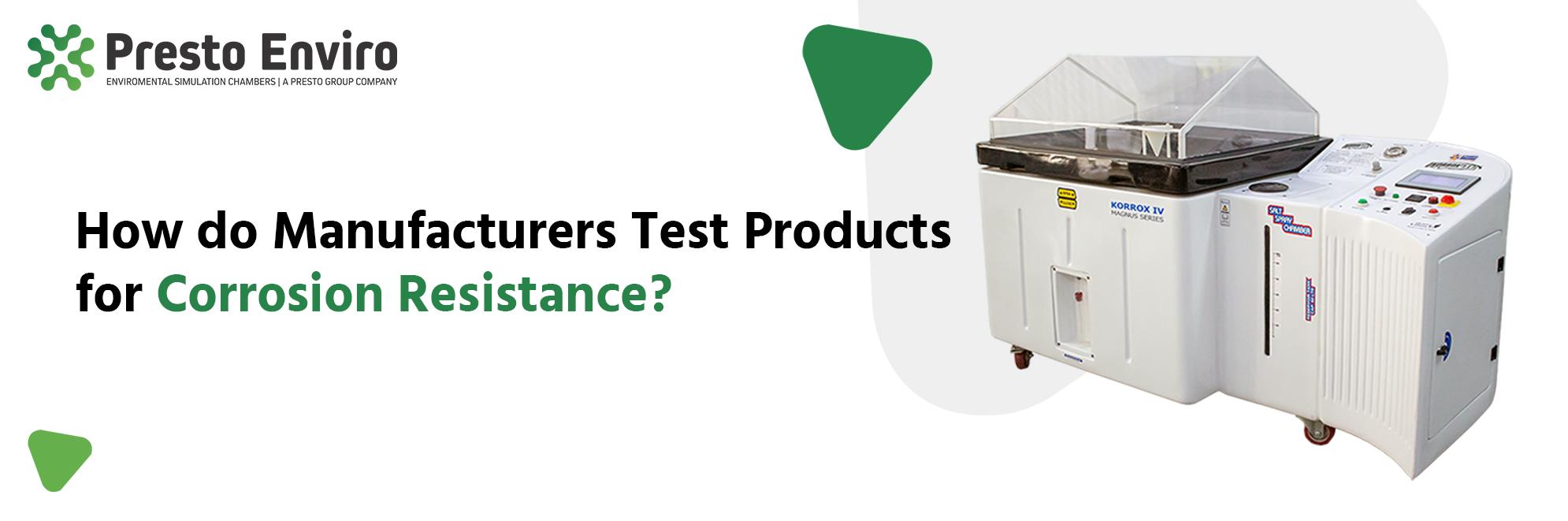
Corrosion is one of those problems that may appear mild at first and later turn costly. A metal part may leave the manufacturing facility appearing undamaged, yet suffer corrosion, stain formation or coating failure as a result of its contact with moisture, salts and changing weather conditions.
11-Sep-2026
Presto Enviro
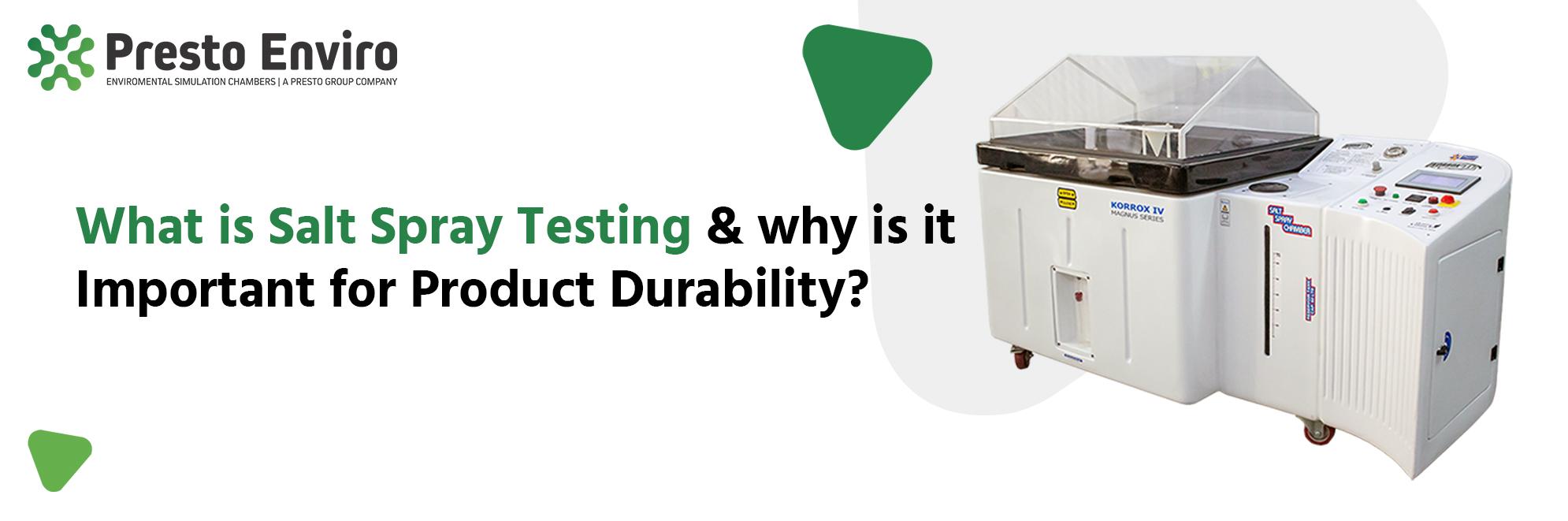
Metal parts exposed to environmental elements like rain, high humidity and saline air are subjected to quick degradation. Manufacturers don’t have years to wait to see long-term real-world durability with immediate shipping deadlines.