© Copyright 2025. All Rights Reserved by Presto Stantest Pvt. Ltd.
27-Aug-2024
Presto
Imagine you are a product designer, and you have just made up your mind that you want the most perfect electronic device, a wave-of-the-future gizmo that is going to change life as we know it. You know it's perfect, but then does it work in the hell-hot desert? Can it bear up under the cold of the Arctic? Will it survive the sop-soaked rainforest of the tropics? These are the problems every maker, and every developer, has to consider.
The fact remains, that environmental conditions can be cruel. High or low temperatures, humidity levels, and fluctuating pressures can team up to break free the very best-secured product. It's a problem that torments industries left and right—it could be electronic, automotive, aerospace, or pharmaceutical. However, how do you ensure your product is as tough as you want it?
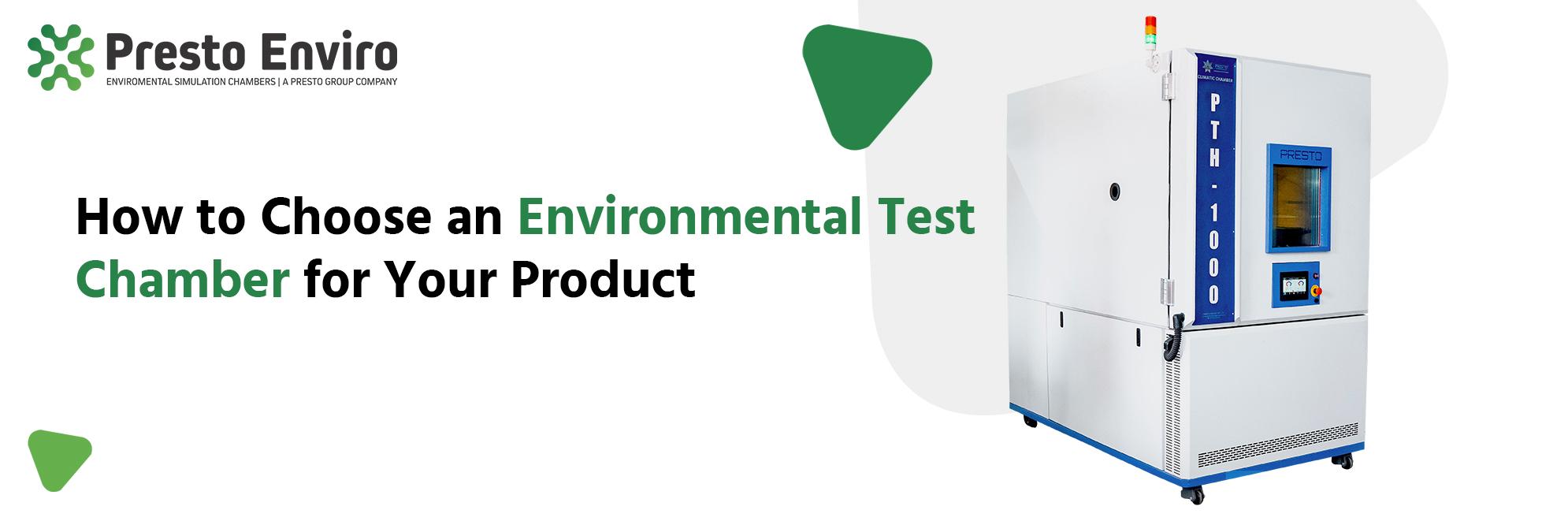
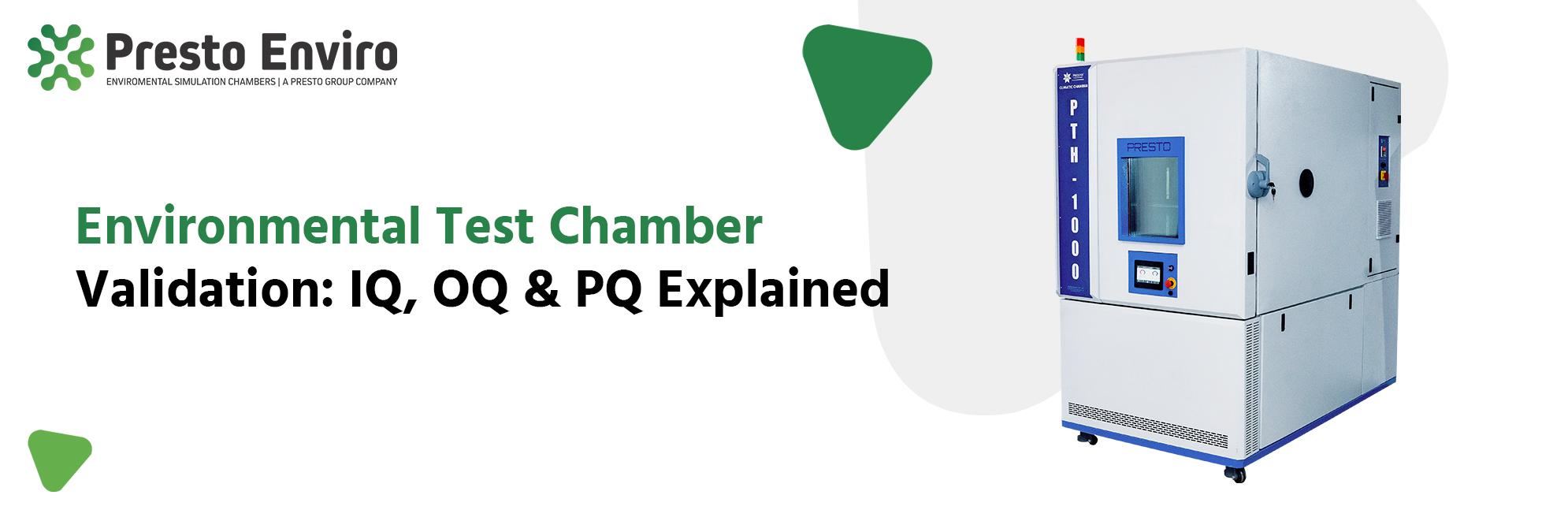
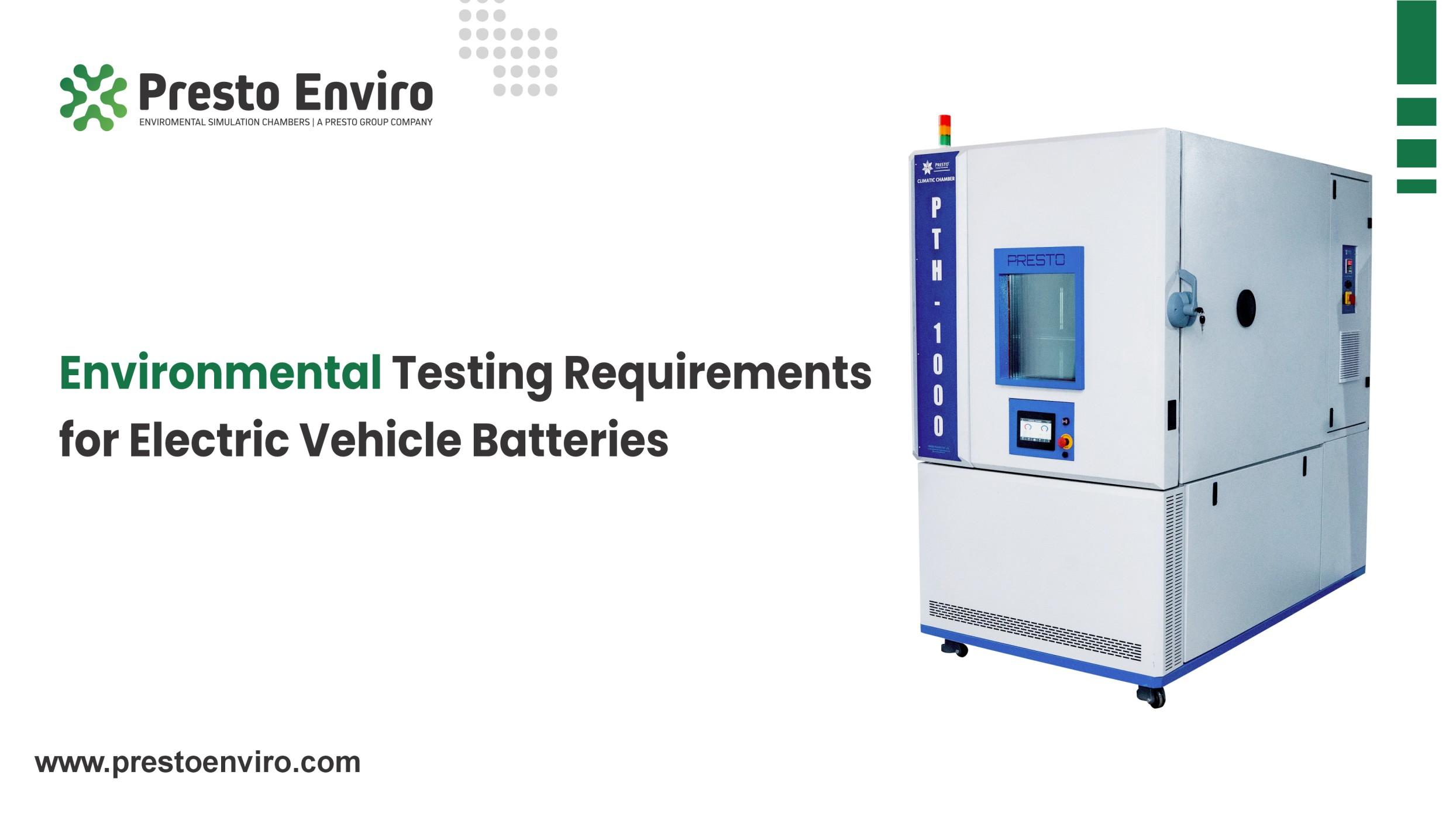
For extreme heat, freezing cold, high humidity, or even fast temperature changes, an environmental chamber provides the ability to test how your product will work, offering your product a front-row seat in the most wild and unpredictable weather, right within the controlled confines of a lab.
However, an environmental chamber is far more than a box that gets hot and cold. It allows you to control environmental variables and guarantees the testing of your product under real conditions.
Let's indulge in the types of environmental test chambers and their applications in different forms.
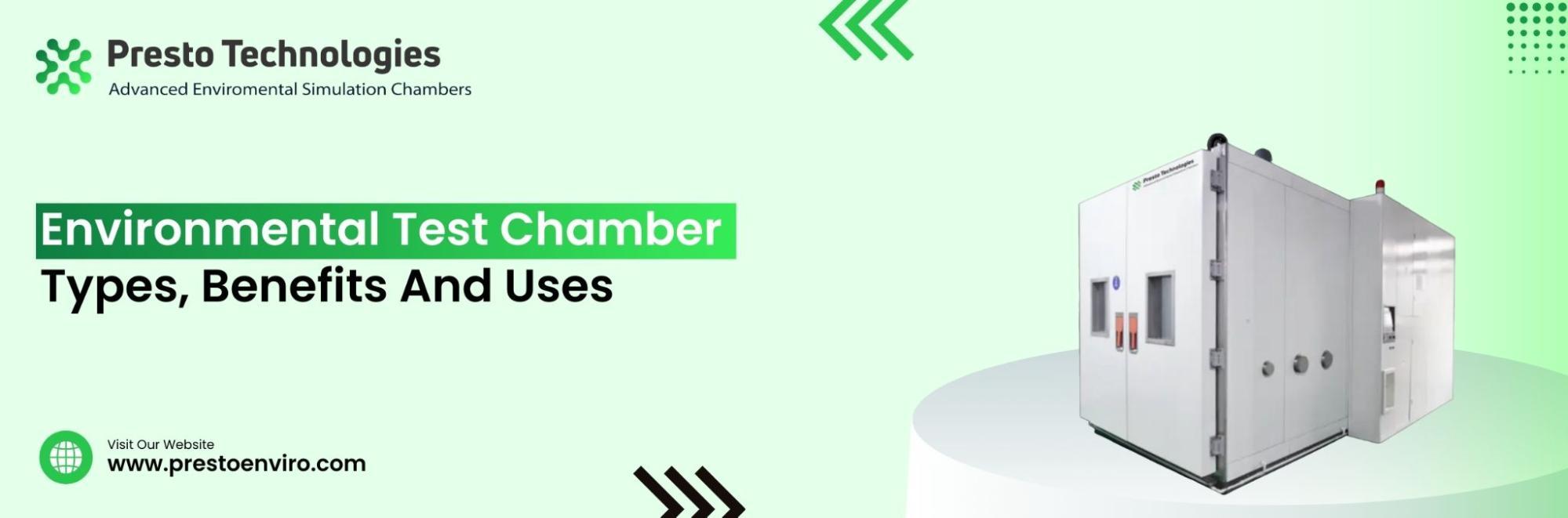
Below are the different types of Environmental Chambers Available:
They are supposed to simulate conditions of extreme heat and cold. These are able to achieve temperatures from as low as -70°C to others as high as 180°C. They are thus very useful in the testing of thermal limits of materials, electronics, and other products.
These chambers manipulate humidity to anywhere from near zero to almost 100% to test how products react to moisture, which is a common cause of corrosion, mold, and much more.
Subject products to rapid temperature changes. They have two chambers, one hot and one cold. The product is cycled from one to the other very fast to see if it can withstand rapid temperature changes.
These are used to stimulate high-altitude conditions. These chambers can reduce air pressure levels at altitudes up to 100,000 feet. It tests how the products can perform at low-pressure conditions.
It provides a simulation of combined conditions of vibration and climatic environments. A few of the chambers are fabricated with the incorporation of vibration tables to determine how products react to environmental stress when shaken.
These chambers provide simulation for corrosive environments. They expose products to salt spray, humidity, and other corrosive elements to test their resistance to rusting and degradation.
"Why do you buy an environmental test chamber" you want to ask? Well, there are about as long lists of good reasons why you should:
1. Innovative Product Reliability
This will help you ascertain any weak points in the products during testing. So that you'll be able to iron them out before your product will hit the market.
2. Cost-effective testing
Carrying out harsh environmental tests in the lab is much cheaper in comparison to conducting trials in the field at various sites. You save time, logistics costs, and the risk of product failure due to an uncontrolled environment.
3. Confirms with Industry Standards
Environmental chambers help with confirming different industry standards to carry out product testing, a phenomenon that is very common. This certification makes certain that your commodities are safe for use in different environments.
4. Accelerated Time to Market
Environmental chamber testing goes a long way in detecting and resolving failures quickly, thus quickening the product development process. A quicker time-to-market will automatically lead to a benefit of competitiveness in the market.
5. Safer Products
Products used in a life-threatening application, for example, medical devices, aerospace components, or automobile safety systems, require their operation to be safe even in extreme temperature and humidity conditions. An environmental chamber ensures the performance of these products in a safe manner.
Electronics industry
Automotive Industry
Aerospace Industry
Pharmaceutical Industry
Packaging Industry
INFORMATION CENTER!
1. Explain the difference between a temperature chamber and a climate chamber.
In that, a temperature test chamber will only fluctuate the temperature, and a climate chamber can control the humidity and the temperature. Climate chambers make a much better option for all-round testing.
2. Can long-term testing be conducted in environmental chambers?
Yes, the environmental chambers are designed for both short-term and long-term perspectives depending on the test parameters and the durability of the products under evaluation.
3. How do I size a chamber to my test requirements?
This would depend on the size and number of samples to be tested, based on the type of testing. Measure the samples and project for possible future needs when selecting a chamber with adequate space.
Phone: +91 9313 140 140
Elevate your quality assurance process to new heights
Related Blogs
15-Sep-2026
Presto Enviro
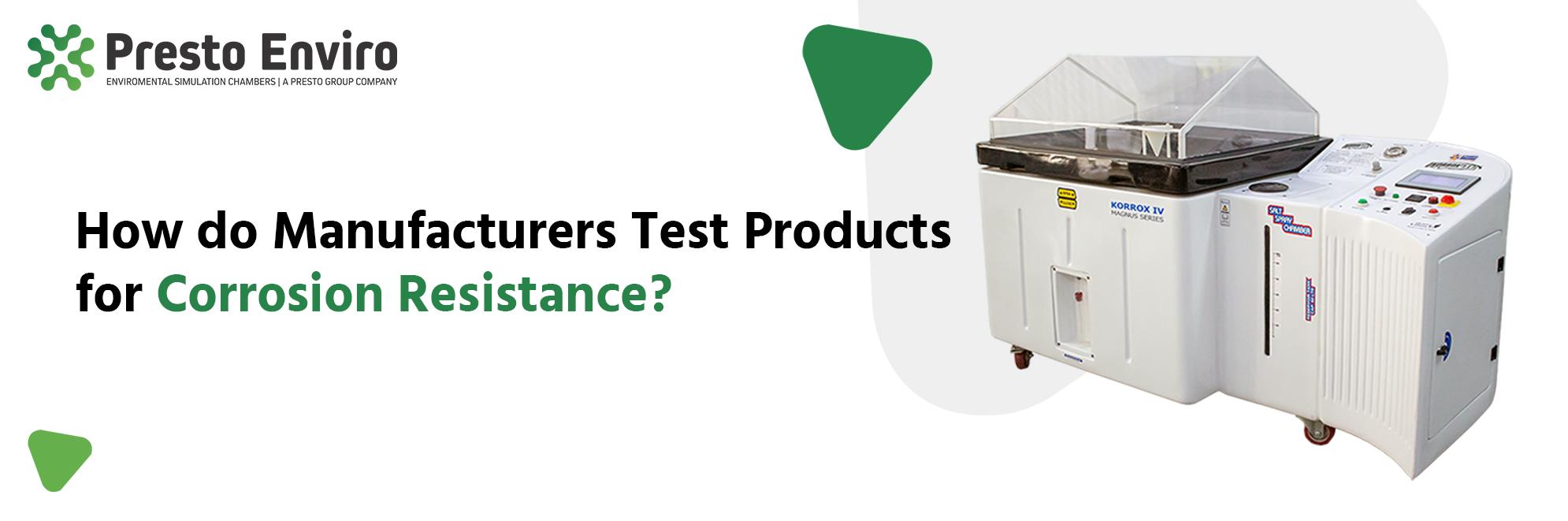
Corrosion is one of those problems that may appear mild at first and later turn costly. A metal part may leave the manufacturing facility appearing undamaged, yet suffer corrosion, stain formation or coating failure as a result of its contact with moisture, salts and changing weather conditions.
11-Sep-2026
Presto Enviro
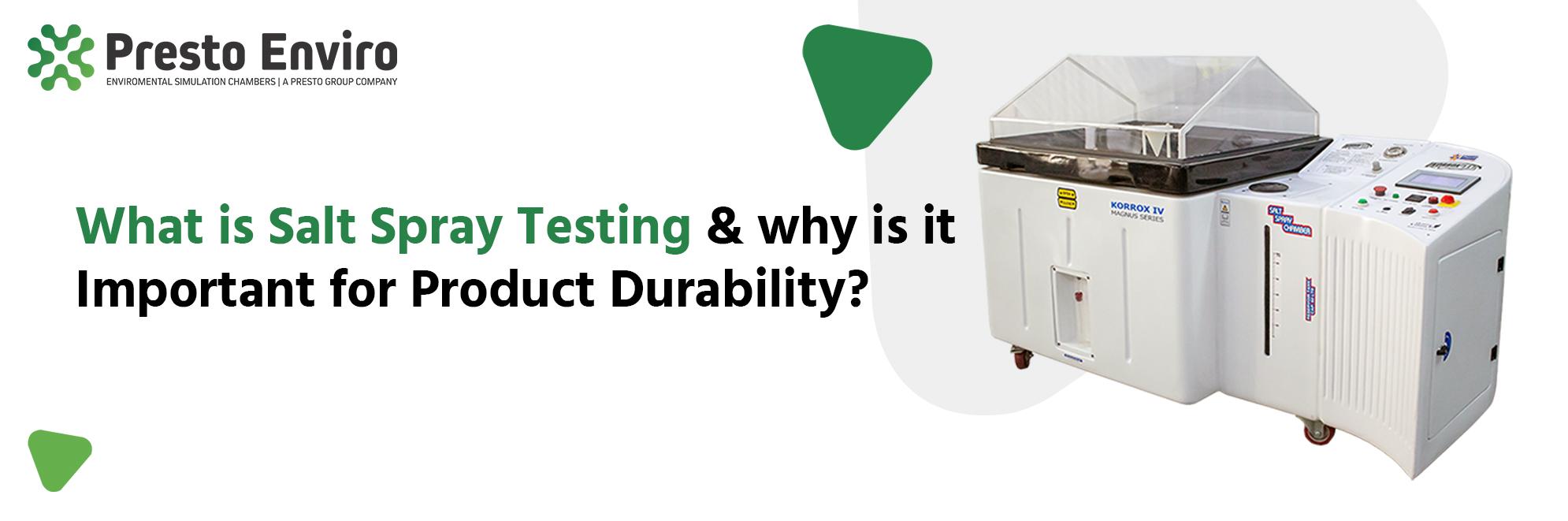
Metal parts exposed to environmental elements like rain, high humidity and saline air are subjected to quick degradation. Manufacturers don’t have years to wait to see long-term real-world durability with immediate shipping deadlines.