© Copyright 2025. All Rights Reserved by Presto Stantest Pvt. Ltd.
29-Nov-2025
Presto Enviro
Testing material provides us a platform to examine how the material would behave in conditions similar to the conditions under which they are produced, e.g., sun, rain, humidity, and changes in temperature. This kind of testing assists in estimating the lifespan of a product being manufactured, its performance, and the type of products to be manufactured.
The reliability of the product will be known, or if it is going to survive the weather after the conduction of the weathering test. Numerous industries, including manufacturing, automotive, building materials, and plastic products, benefit from it.
A weathering test is a technique to determine the weathering characteristics of materials and coatings. Testing for the weathering ability of materials and coatings involves creating a means for determining the weathering capability of the materials or coatings. These tests allow manufacturers to determine how long a product will last under typical use as well as track changes in mechanical properties that may occur over time.
The detrimental effects on the product caused by weathering include premature failure of the finished product due to excessive wear (damage) from extreme heat and cold or direct exposure to rain, snow, etc. Due to these negatives, manufacturers typically use some kind of chemical or mechanical stabilization method to extend the life of products during their manufacturing process.
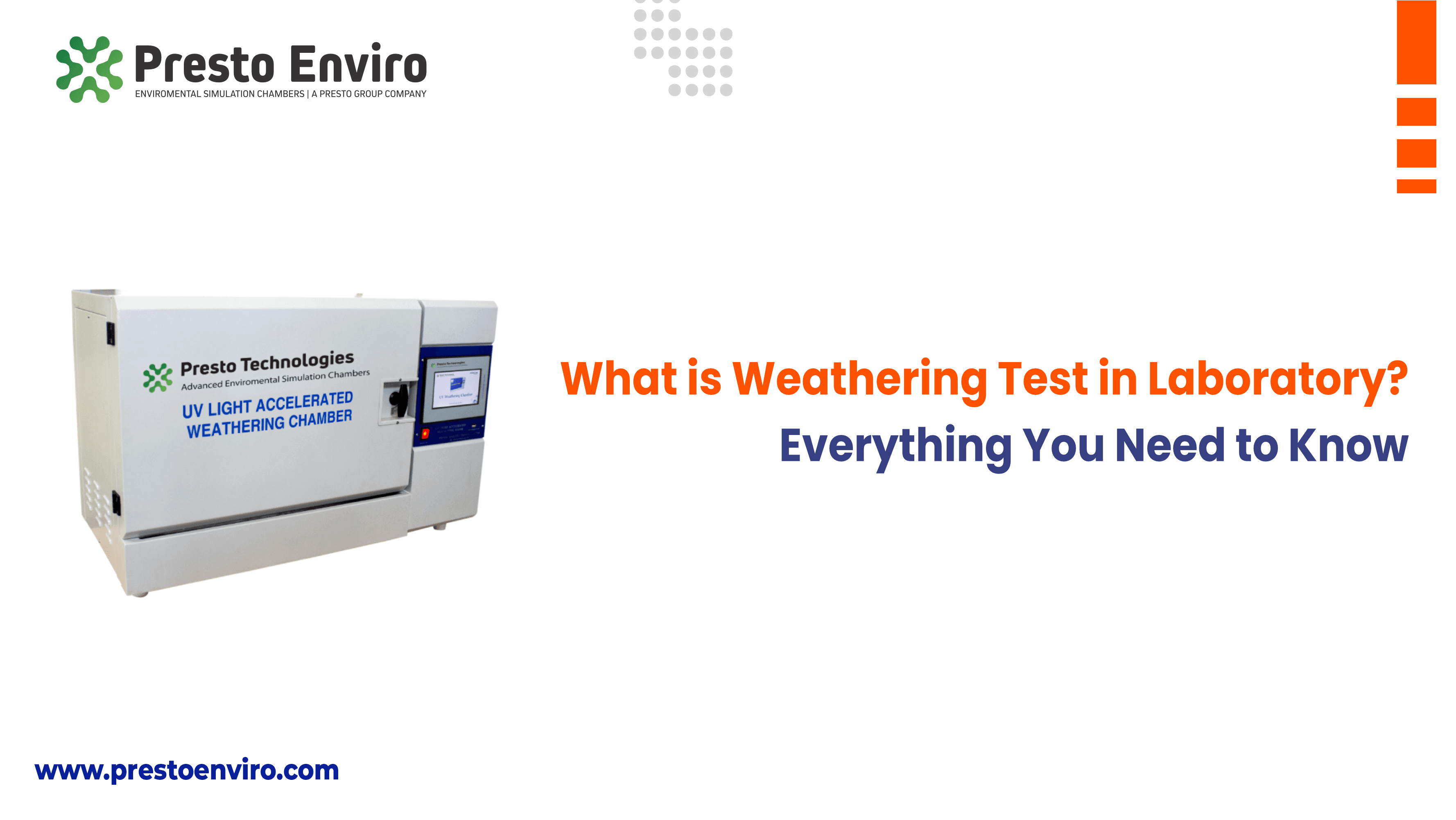
The operation of weathering testing is that there are controlled environmental chambers that control and accelerate natural conditions, e.g., sunlight, humidity, and changes in temperature, to which products are subjected. The following are some of the steps that will define the procedure to be followed during the weathering test:
Some of the methods comprising accelerated weathering tests include carbon arc testing, xenon arc weathering, fluorescent UV weathering, and accelerated outdoor testing. The following are the details of the methods:
Using UV fluorescent lamps to replicate the most damaging parts of sunlight, fluorescent UV weathering exposes material samples to alternating cycles of both UV light and moisture. Alternating cycles are used to determine color fading, cracking, brittleness, and a reduction in the strength of a sample. Fluorescent UV weathering is a beneficial choice when testing plastics, coatings, paints and other outdoor products where UV resistance is required.
Xenon arc weathering utilizes xenon lamps to provide the full spectrum of sunlight, including visible light, UV light and infrared radiation. The controlled temperature and humidity cycles simulate a variety of real-world conditions. It allows us to determine how long products will last and how well they will perform when exposed to sunlight, including fading or colour change, surface deterioration, loss of gloss, as well as long-term durability for textiles, automotive parts, plastics, coatings, etc.
Carbon arc testing utilizes the carbon arc lamp, which imitates the sun's light and heat exposure, as is often the case in older/traditional testing standards. During carbon arc testing, materials are placed through many cycles of intense radiation/moisture to determine if there will be fading or discoloration. Testing is intended to predict the long-term weather resistance of coatings, rubber, plastics, and structural materials.
Accelerated outdoor testing exposes materials to intensified natural conditions, often using tracking systems that follow the sun or reflectors to increase radiation levels. Samples face real sunlight, rain, humidity and temperature changes but at a faster rate. This method provides highly realistic results to predict outdoor durability and performance.
Significant benefits arise for manufacturers through conducting weathering tests, mainly assurance of product durability and performance when exposed to environmental elements such as sunlight (UV radiation), heat and moisture.
Testing of weathering enables the producer to properly determine the life span of an item or material when exposed to the actual outdoor environment. Weathering tests give an opportunity to recreate the environment's influence, including exposure to sunlight, rain, humidity, and temperature variation cycles, which are used to determine long-term aging trends.
Testing of weathering is used to evaluate several potential weak points in materials due to exposure to environmental forces such as UV radiation, extreme temperatures, water (moisture), etc., and temperature fluctuations. Weathering test information can assist manufacturers in refining their product design and selecting more durable materials and building products that will be durable and perform consistently over time, and retain product quality for many years.
Accelerated weathering tests compress years of natural exposure into weeks. Using UV lamps, water spray, humidity, and temperature cycling, they rapidly demonstrate possible failures. This technique hastens the pace of research and development such that engineers can test different materials at an increased rate to compare performance and make intelligent choices independent of real-time outdoor aging.
Weathering testing helps locate material weaknesses early for product manufacturers by identifying problems. Early on, manufacturers have less risk of product failure and associated warranty claims or costly recalls when the products enter mass production. This proactive strategy would save time, prevent financial losses, improve product reliability, and protect the companies from legal issues due to premature product degradation.
Different industries depend upon using items that must conform to standards established by various testing organizations (certification bodies), such as ASTM and ISO. Testing enables manufacturers to confirm that products comply with the standards for quality/durability/safety established by these and other certification bodies.
The marketplace will recognize products that successfully pass the required weathering tests. With greater durability and, therefore, years of reliable use, the brands associated with these products improve their images and the level of confidence that customers have in them. Companies offering dependable products also have far fewer customer complaints compared to those that sell unreliable or inferior products and thus are positioned ahead of competitors.
Weathering evaluations are an essential component of the manufacturing process in general and for quality control specifically. By simulating extreme temperature conditions found outdoors in a controlled laboratory setting, the weathering evaluations allow manufacturers to have an idea of the likely durability of the material.
Weathering testing also helps a manufacturer develop a reliable, durable product that will provide a consistent level of service throughout its service life. Whether you are conducting a weathering test for any other type of material (converted to plastic, coated, etc.), you will be able to use the results from weathering testing in building higher-quality, more durable, and ultimately more reliable products.
Elevate your quality assurance process to new heights
Related Blogs
15-Sep-2026
Presto Enviro
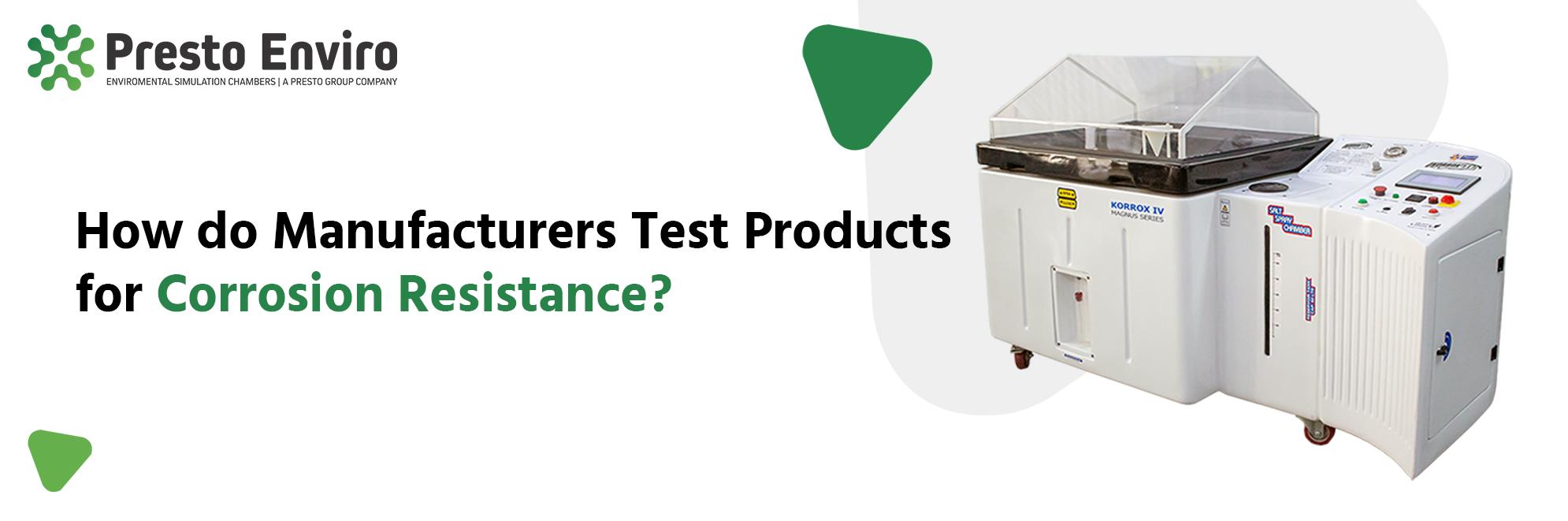
Corrosion is one of those problems that may appear mild at first and later turn costly. A metal part may leave the manufacturing facility appearing undamaged, yet suffer corrosion, stain formation or coating failure as a result of its contact with moisture, salts and changing weather conditions.
11-Sep-2026
Presto Enviro
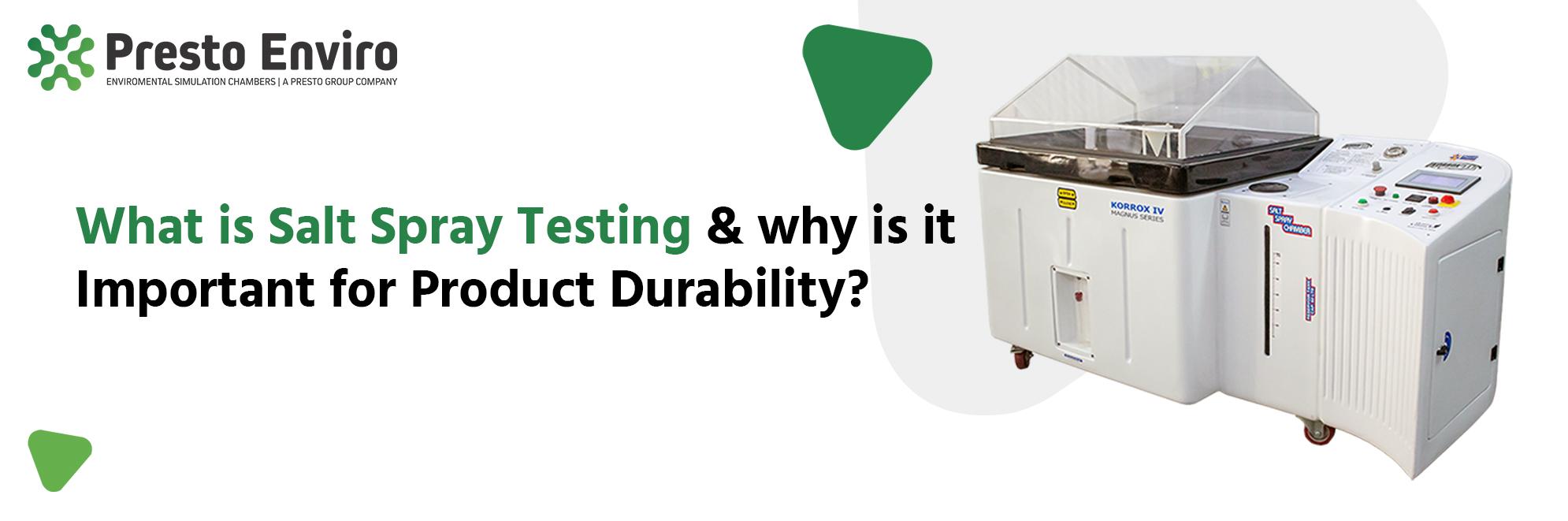
Metal parts exposed to environmental elements like rain, high humidity and saline air are subjected to quick degradation. Manufacturers don’t have years to wait to see long-term real-world durability with immediate shipping deadlines.