© Copyright 2025. All Rights Reserved by Presto Stantest Pvt. Ltd.
22-Mar-2026
Presto Enviro
Rain, splashes, and wet hands cause moisture in the electronic products we use every day. If water gains access to internal components, it can short-circuit circuits and result in failure of the device. Water intrusion can lead to many safety and reliability issues for products which may cause potential hazards. Therefore, manufacturers need to have a dependable means of assessing the level of water resistance of their products.
The IPX rating system is used to quantify the amount of water-resistant properties of a device. Water ingress test equipment performs this testing in a controlled environment to determine if a device is safe to use or durable enough for continued use after exposure to moisture, rain, or splashes of fluid.
The IP Rating is an international standard for Protective (IP) Ratings defined by the International Electrotechnical Commission, IEC (60529), that outlines how well a product protects against moisture.
IP Ratings are usually given in two digits; the first digit represents solid particle protection against things such as dust (with the maximum score being 6) and the second digit is liquid (1 through 9K). However, when rating only the protection against water, the number of solid particle protection is designated as being an IPX.
The IPX rating allows vendors to have information about how their products will perform when they are under different conditions of water contact and/or pressure. The IPX ratings are frequently used for products in industries such as consumer electronics, exterior lighting, automotive parts and industrial equipment.
Communication of the waterproofing capabilities of a product to the consumer or to regulatory agencies is accomplished through the use of an IPX rating code so that they can identify the waterproofing level with which to market their products.
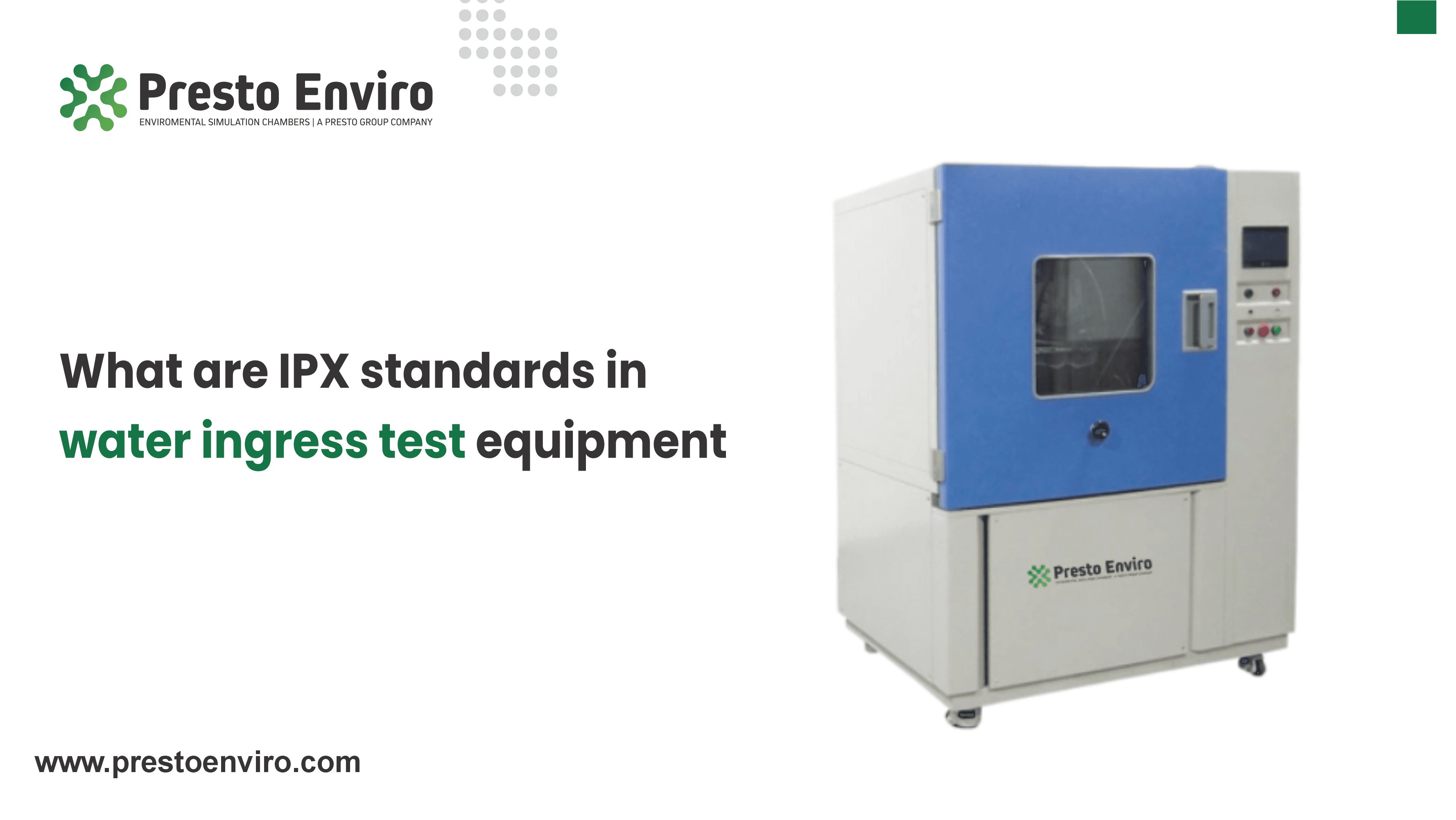
Water ingress test equipment is a specialized test tool that simulates the various types of exposure to water. The water ingress test equipment provides a testing method to assess the ability of an enclosure designed to protect internal components from the entry of water, including but not limited to:
The reason for conducting water ingress testing is to evaluate whether the product will function safely while exposed to moisture, rain, or being sprayed with water.
The water ingress test equipment is designed to simulate conditions, such as:
Water ingress testing is performed in a controlled laboratory setting, using controlled test parameters such as water pressure, spray angle, and exposure time, so that equipment manufacturers can evaluate the reliability of their products and to improve design features that protect against water infiltration.
The IPX test measures the ip rating of devices on a scale of 0-9, with 0 being not water resistant and 9 being highly water resistant. There are 10 levels of IPX water resistance:
|
IPX Level |
Description of water protection |
|
IP0 |
No Protection against Water |
|
IP1 |
Protection from Vertically Falling Water |
|
IP2 |
Protection from Vertically Falling Water When Tilting the Device up to 15 Degrees |
|
IP3 |
Protection from the spray of Water up to 60 degrees |
|
IP4 |
Protection from Water Splashing from Any Direction |
|
IP5 |
Protection From Water Sprayed at Low Pressure |
|
IP6 |
Protection From High-Volume/High-Pressure Water |
|
IP7 |
Protected against immersion in water for a period of 1 hour only |
|
IP8 |
Protection from Immersion in water under specified conditions or usages |
|
IP9 |
Protect against immersion in water under both high-pressure and high-temperature conditions and for an extended period of time. |
To simulate real-world scenarios, IP Rating Levels are also tested in laboratory settings using different equipment and various methods of exposure to different types of water.
Water ingress testing is conducted in accordance with internationally accepted standards so that results are consistent and repeatable. The most common standard used for ingress protection (IP) testing is IEC 60529. This standard specifies the conditions for the protection of electrical enclosures from solid objects (dust) and liquids (water).
Other standards may be appropriate to certain industries. Examples include:
These standards outline the test's equipment, procedure, and success criteria. Manufacturers who follow these standards will be able to demonstrate compliance with all applicable regulations and that their products can perform in a dependable manner over long periods of time while exposed to various environmental stresses.
The types of water ingress test equipment used to evaluate an actual IPX level are based on the level of IPX testing being performed. Each test setup attempts to replicate certain environmental conditions.
The following are the types of equipment commonly used for IPX testing:
The sensors and other equipment used to test any containment area are appropriately calibrated before the process begins, ensuring that all parameters (water pressure, water flow, exposure time) are measured consistently throughout the testing process. By having the testing instruments well-calibrated, engineers can use the instruments to evaluate the design of a particular containment enclosure and spot potential leak sources.
IPX standards are used for the testing of water ingress to verify the level of resistance that products have to water. IPX testing indicates the level and type of protection from water that a manufacturer produces. Testing of electronic devices with IPX standards is done to make sure that devices are going to work correctly and remain safe from water.
Water ingress testing is performed with specialized equipment to ensure accuracy and performance.
Packaging and other industries use IPX standards to provide customers with quality products that perform reliably. Meeting IPX standards will help manufacturers comply with international standards where applicable. Manufacturers can test IPX standards to help extend the life of their products and improve customer confidence in their company and their products.
Elevate your quality assurance process to new heights
Related Blogs
20-Sep-2026
Presto Enviro
Battery safety is not something manufacturers can check only after a battery is ready for use. Temperature, charging conditions and repeated use can change the way a battery behaves. In some cases, excessive heat can cause permanent damage or create serious safety risks.
15-Sep-2026
Presto Enviro
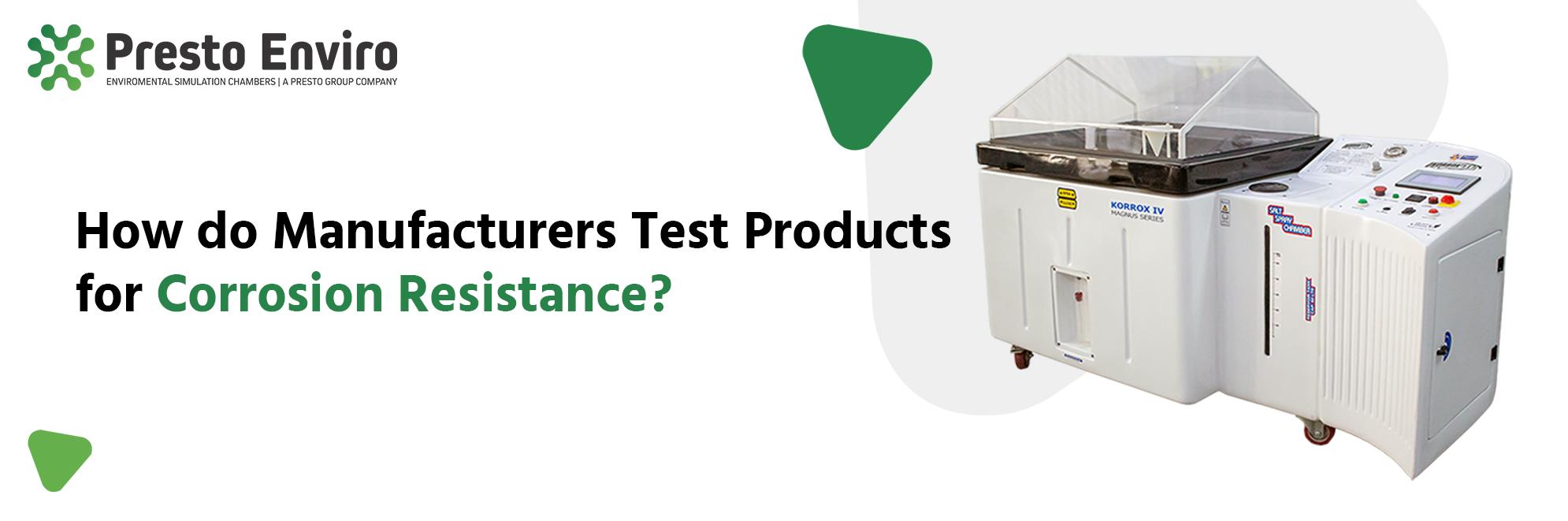
Corrosion is one of those problems that may appear mild at first and later turn costly. A metal part may leave the manufacturing facility appearing undamaged, yet suffer corrosion, stain formation or coating failure as a result of its contact with moisture, salts and changing weather conditions.
11-Sep-2026
Presto Enviro
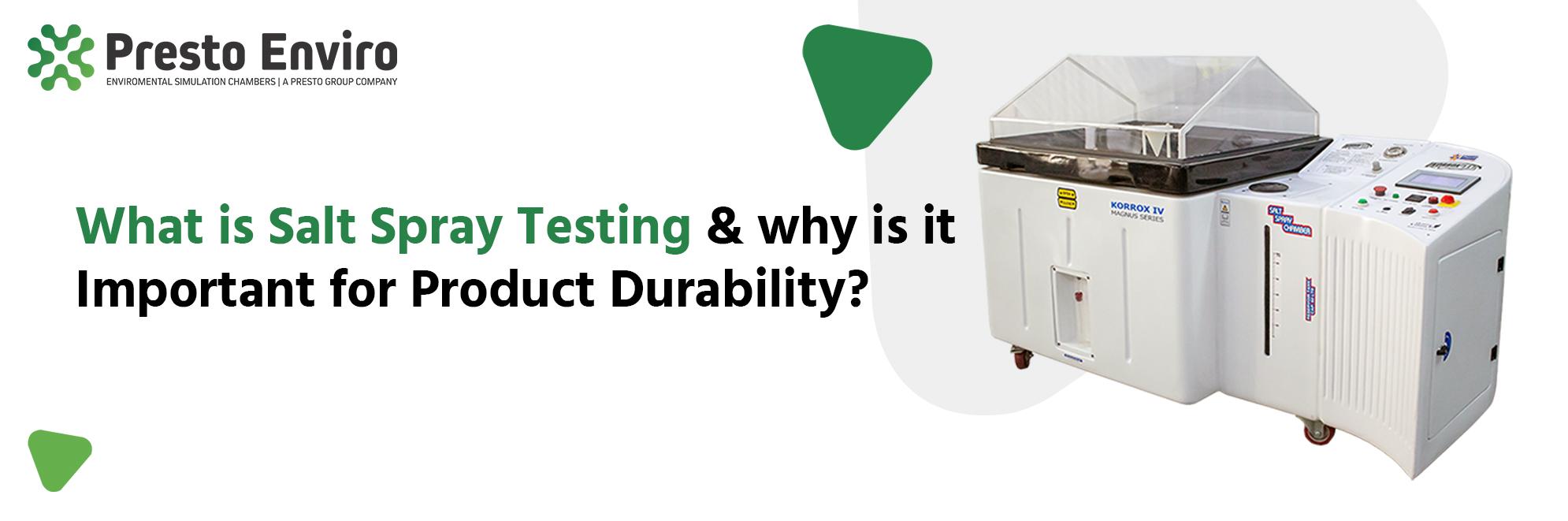
Metal parts exposed to environmental elements like rain, high humidity and saline air are subjected to quick degradation. Manufacturers don’t have years to wait to see long-term real-world durability with immediate shipping deadlines.