© Copyright 2025. All Rights Reserved by Presto Stantest Pvt. Ltd.
08-Dec-2025
Presto Enviro
Have you seen a plastic chair fade too soon? Have you noticed a coated surface peel before the season ends? These things may look small at first, yet they hint at a deeper issue. Outdoor conditions change faster than we notice. Sunlight keeps hitting the surface for long hours. Rainwater slips into tiny pores and stays there. Heat builds up without any sign. Any material that spends time outside must handle these sudden shifts day after day, or it starts to lose its strength and appearance.
This is where weathering tests matter. These tests recreate outdoor conditions inside a chamber. The chamber mimics sunlight, brings rain cycles, and holds heat for long hours. The aim is simple. It shows how fast a material starts to fade, crack, swell, peel, grow brittle, or lose its finish. When brands see early signs inside a chamber, they can act before a product reaches the market. This protects the product value. It also reduces waste and stops complaints from growing.
Presto Enviro supports manufacturers who want steady and predictable material performance. The team builds test systems that recreate real-world conditions with high repeat value. These tests help brands send only stable materials to the field.
Natural elements change fast. Sunlight may feel gentle in the morning. It becomes harsh by noon. UV radiation breaks chemical bonds in plastics, coatings, inks, and films. When those bonds weaken, the surface loses its tone. It may turn chalky. Some plastics turn brittle. Some coatings peel. Some films develop cracks.
Rain brings different troubles. Water enters small flaws. It stays there for long hours. When the material expands and contracts, these water pockets grow. This changes the surface finish.
Heat raises the pace of damage. Hot air speeds up chemical reactions inside the material. It may cause swelling or deformation.
When all three factors hit a surface together, the speed of damage grows even faster. A simple outdoor spot can turn into a stress point that ruins the material well before its expected lifespan.
Plastic parts appear in almost every product category today. Outdoor furniture, auto parts, garden tools, toys, bins, cable covers, and many more. Many of these parts stay outdoors for long hours. Some sit under direct sunlight. Some carry loads in humid places. Some move across harsh climates.
A plastic that stays stable in one environment may fail in another. UV rays often trigger color fade. Chain scission inside the polymer lowers strength. A small crack can widen with each heat cycle. Weathering chambers help teams check the speed of each of these changes.
With each test cycle, teams see how the part looks, bends, breaks, or warps. Test results let the designer adjust additives, pigments, stabilizers, or processing steps. This avoids early failure once the product reaches the customer.
Paints, powder coats, metal coatings, wood finishes, and protective surface films all face outdoor stress. UV radiation shifts colors. Coatings may turn dull. Some coatings chalk as the binder breaks down. Others peel because the bond with the base weakens during heat cycles.
Wet cycles bring blistering. Trapped water pushes the coating upward. Once the bond weakens, peeling spreads. A weathering chamber shows the first signs long before the surface fails in real use.
Coating manufacturers use these chambers to test new formulas. Contractors use them to check finish quality. Brands use them to judge long-term durability for products that must stay outdoors for years.
Outdoor storage is common for many goods. Some cartons stay in open yards. Some wrapped pallets wait in transit hubs. Some films protect goods on long routes. These packs stay exposed to sun, rain, and heat. Ink fade is a common problem. Film layers may lose clarity. Some plastics warp, some shrink and some may get cracked.
Such shifts affect product safety, pack look, and customer trust. A weathering chamber recreates these changes inside a controlled setup. Test cycles show whether a packaging film will retain clarity. They show whether the print will keep its tone. They show whether the structure will hold its shape in hot weather.
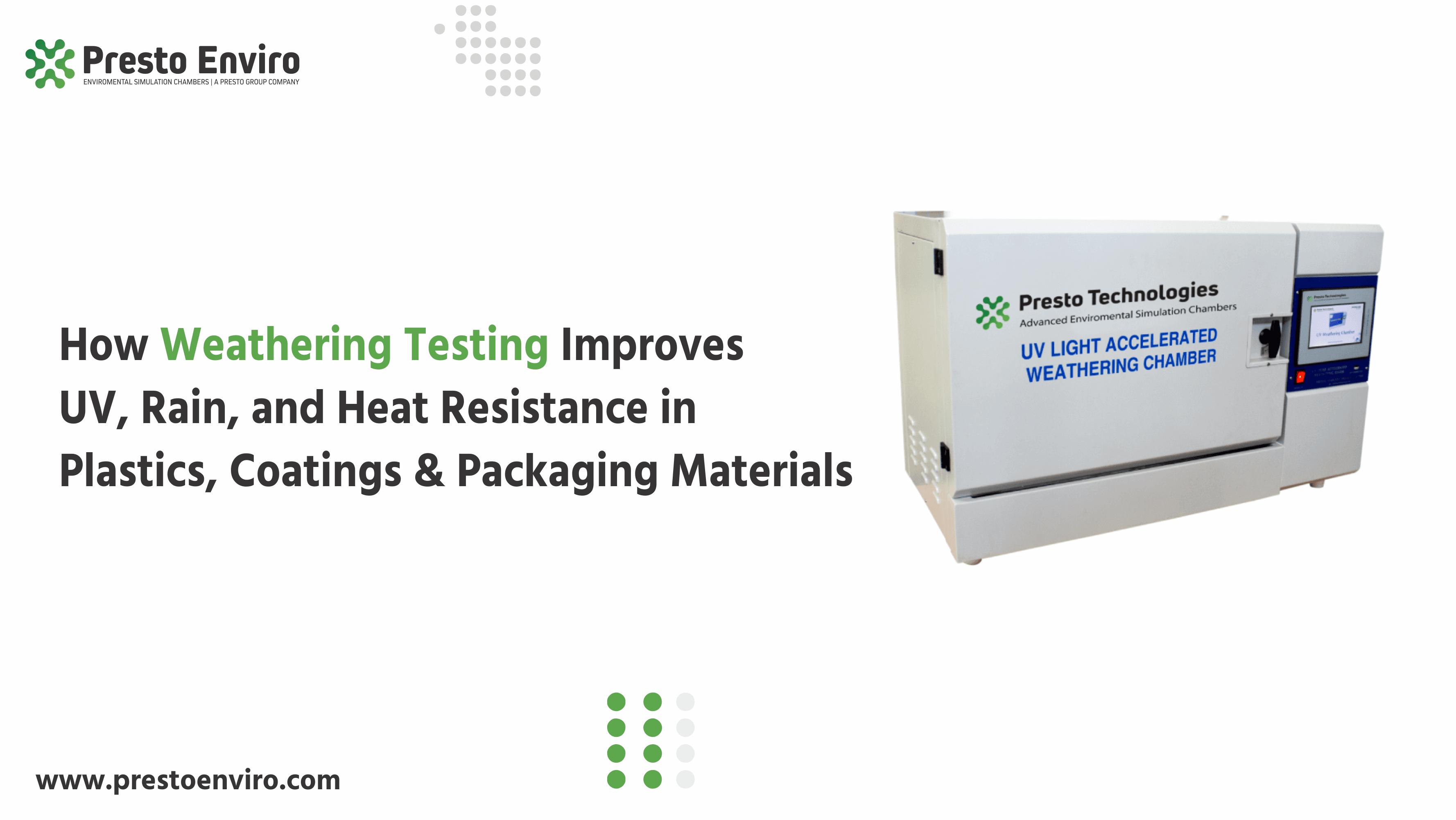
Weathering chambers from Presto Enviro recreate outdoor cycles through a mix of UV lamps, water spray, condensation, and controlled heat. Lamps release UV rays similar to sunlight. The chamber places the sample near the source for direct exposure. During water cycles, spray nozzles and condensation simulate rain. The temperature holds at a stable level as per the test plan.
Teams can run short cycles or long exposure runs. Short tests show early signs. Long runs show bigger changes. Every shift inside the chamber helps brands understand how the material will behave outdoors.
Weathering tests save time. Instead of waiting months under natural sunlight, teams see results in a much shorter window. This also saves money. Problems come to light early in development. Teams correct the material or surface finish before mass production.
The testing also helps with supplier checks. A new batch of material may look the same. Yet UV resistance may drop if the supplier uses a different additive mix. Weathering tests reveal these changes.
Brands that sell their goods across different regions need stable performance across varied climates. A chamber helps test a material against the harshest conditions. This builds confidence before entering a new market.
These tests also support long product life. When a product stays intact outdoors, the brand reputation stays intact, too.
Loss of gloss is one early sign. Surfaces may turn dull. Some materials lose their original shade. Plastic parts may show small hairline cracks. Coatings may develop spots, blisters, or peeling. Films may lose clarity or stiffness. Adhesion between layers may weaken.
Each of these small signs helps the team judge the next step. Some materials need more stabilizers. Some need a new coating. Some need a thicker layer. Some need a new blend.
Automotive teams test dashboards, trims, bumpers, and coated surfaces. Packaging teams test films, laminates, inks, and printed areas. Plastic furniture makers test chairs and molded parts. Building material suppliers test pipes, panels, sheets, and exterior finishes. Electrical and electronic brands test outdoor enclosures. Every sector that faces sunlight, water, and heat turns to weathering tests for dependable performance.
Presto Enviro builds test chambers that let teams recreate real outdoor stress. The chambers offer steady cycles. They mimic natural conditions with precision. They help users see how a product behaves over days, weeks, or months. The controls are simple. The readings stay stable. The system helps brands develop long-lasting materials for outdoor use.
Outdoor use brings unpredictable stress. A small color fade can turn into a crack. A small blister can turn into a peel. Weathering tests bring clarity at the right time. When teams see early shifts, they act before failure grows. This protects product value. It also supports customer trust.
Presto Enviro helps brands bring strong, long-lasting materials into the market through advanced weathering test chambers. These systems recreate UV, rain, and heat so teams know exactly how their products will behave outside.
What does weathering testing check in plastics?
It checks how plastic reacts to UV light, rain cycles, and heat. It shows early signs like cracks, color fade, and surface change.
Why is UV exposure harmful to coatings and paints?
UV rays break chemical bonds in coatings. This leads to shade loss, chalking, peeling, and reduced surface life.
Do packaging materials also face weather damage?
Yes. Films may lose clarity. Prints may fade. Layers may weaken. Weather tests help predict these shifts.
How long does a typical weathering test run?
It depends on the material and the purpose. Some tests run for a few days. Some run for many weeks to show deeper changes.
Why should brands use a weathering chamber instead of natural sunlight?
Natural sunlight changes from day to day. A chamber gives a controlled setup. This helps teams compare results with more clarity.
Elevate your quality assurance process to new heights
Related Blogs
15-Sep-2026
Presto Enviro
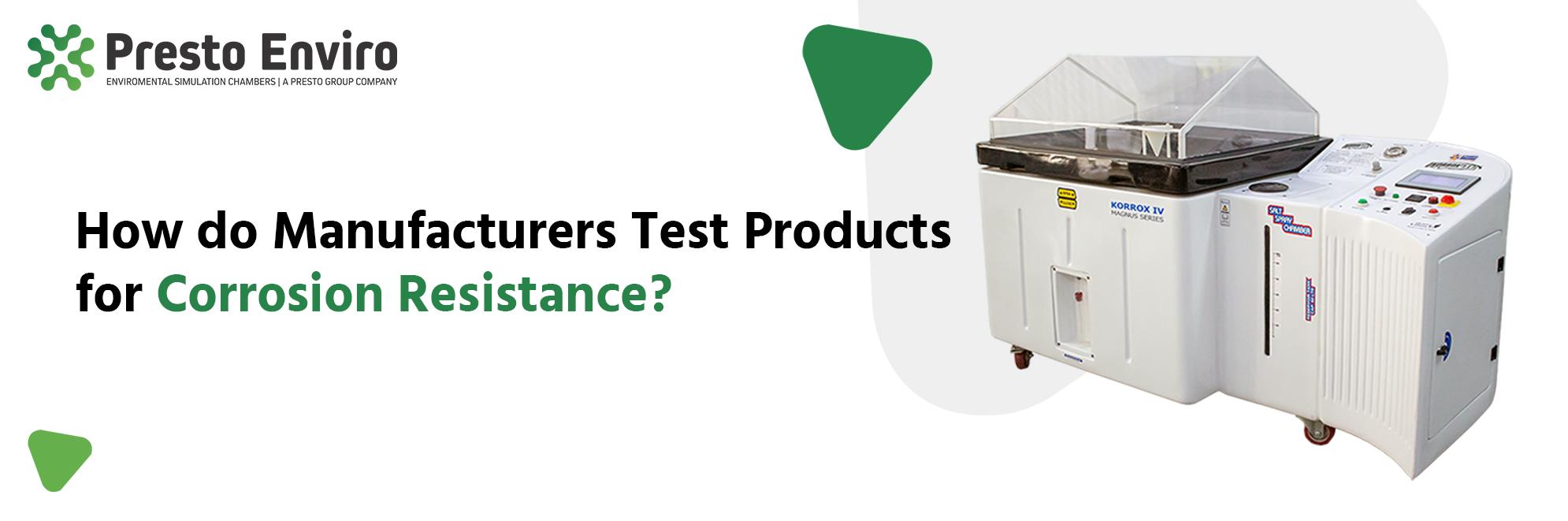
Corrosion is one of those problems that may appear mild at first and later turn costly. A metal part may leave the manufacturing facility appearing undamaged, yet suffer corrosion, stain formation or coating failure as a result of its contact with moisture, salts and changing weather conditions.
11-Sep-2026
Presto Enviro
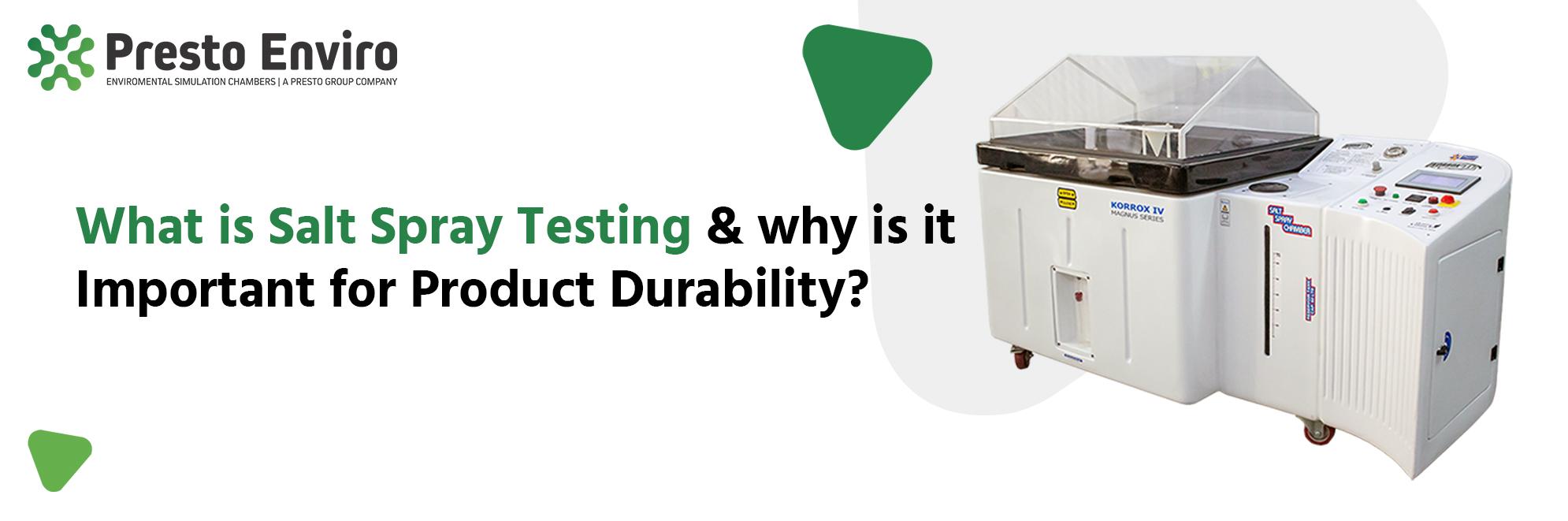
Metal parts exposed to environmental elements like rain, high humidity and saline air are subjected to quick degradation. Manufacturers don’t have years to wait to see long-term real-world durability with immediate shipping deadlines.