© Copyright 2025. All Rights Reserved by Presto Stantest Pvt. Ltd.
21-May-2026
Presto Enviro
Most people talk about battery charging speed, backup time, or fast charging technology. Hardly anyone talks about humidity. But honestly, moisture in the air can slowly damage a lithium ion battery without giving obvious signs at first.
This is more of a problem in damp or less-than-ideal storage areas. Batteries remain exposed to moisture for weeks or months, and the impact reveals itself later in the form of poor backup, heating or decreased life. In this article, we will learn how humidity affects batteries, reduces their shelf life and what you can do to prevent these issues.
Humidity directly affects the chemical stability inside a lithium ion battery. Even a small amount of moisture exposure can create unwanted reactions inside the cell. In simple terms, the battery starts losing its ability to work smoothly and efficiently.
A lithium ion battery works through carefully balanced chemical movement. Excess moisture disturbs that balance. Water vapor reacts with internal battery materials and slowly creates side reactions nobody wants inside a cell.
One of the first things people notice is heating. The battery starts warming more during charging or heavy use. Sometimes the device feels normal for months and then suddenly battery performance drops. That happens more often in humid conditions than many users realize.
Battery swelling is another common issue. You may have seen old mobile batteries expanding slightly. In many cases, moisture exposure speeds this process up. Gas formation inside the battery increases and pressure builds slowly.
There is also the problem of corrosion. Humid air attacks metal contacts and battery terminals over time. Once corrosion starts, electrical flow becomes less stable. Charging gets slower. Power delivery becomes inconsistent. Some devices even shut down suddenly although the charge percentage still appears decent.
Industrial battery systems face even bigger risks. Solar storage batteries, electric vehicle battery packs, and telecom backup systems often work in outdoor environments. Constant humidity exposure can reduce operational efficiency much earlier than expected.
This is one reason battery manufacturers keep production rooms under controlled humidity conditions. During assembly, even small moisture contamination can affect the final quality of the cell.
Shelf life is heavily connected to storage conditions. Lithium ion batteries can undergo chemical aging at a very high rate even when they are not in use, because of the humidity. Spare batteries are kept by many users in storage areas, such as drawers, storage racks or warehouses, without monitoring. The battery may appear to be in good condition on the outside, but it is still aging inside.
Humidity accelerates chemical breakdown inside the battery. Protective layers inside the cell become weaker with time. Electrolyte stability also starts to reduce slowly. After a while, the battery loses its ability to retain charge properly.
You charge it fully, leave it unused, and the charge drops much quicker than expected. That is one of the common signs.
High humidity also increases self discharge rates. Batteries stored in damp places tend to lose stored energy faster compared to batteries stored in dry conditions. This becomes a serious issue for manufacturers handling large inventories.
Heat makes things worse. A humid and hot environment is almost the perfect setup for faster battery aging. Coastal regions often create this problem naturally. Warehouses without ventilation also struggle with it during summer.
There is also a safety concern with lithium-ion batteries. Old batteries exposed to moisture for long periods may develop internal instability. Sometimes the damage remains hidden until charging begins again. Then, overheating or leakage suddenly appears.
This part matters a lot for industries dealing with shipping and long term storage. A battery reaching customers in a degraded condition affects both performance and brand reputation.
Protecting lithium ion batteries from humidity is not as difficult as many users assume but it is also true that it requires consistency. Proper storage, handling, packaging and environmental testing are all equally important to reduce humidity impact.
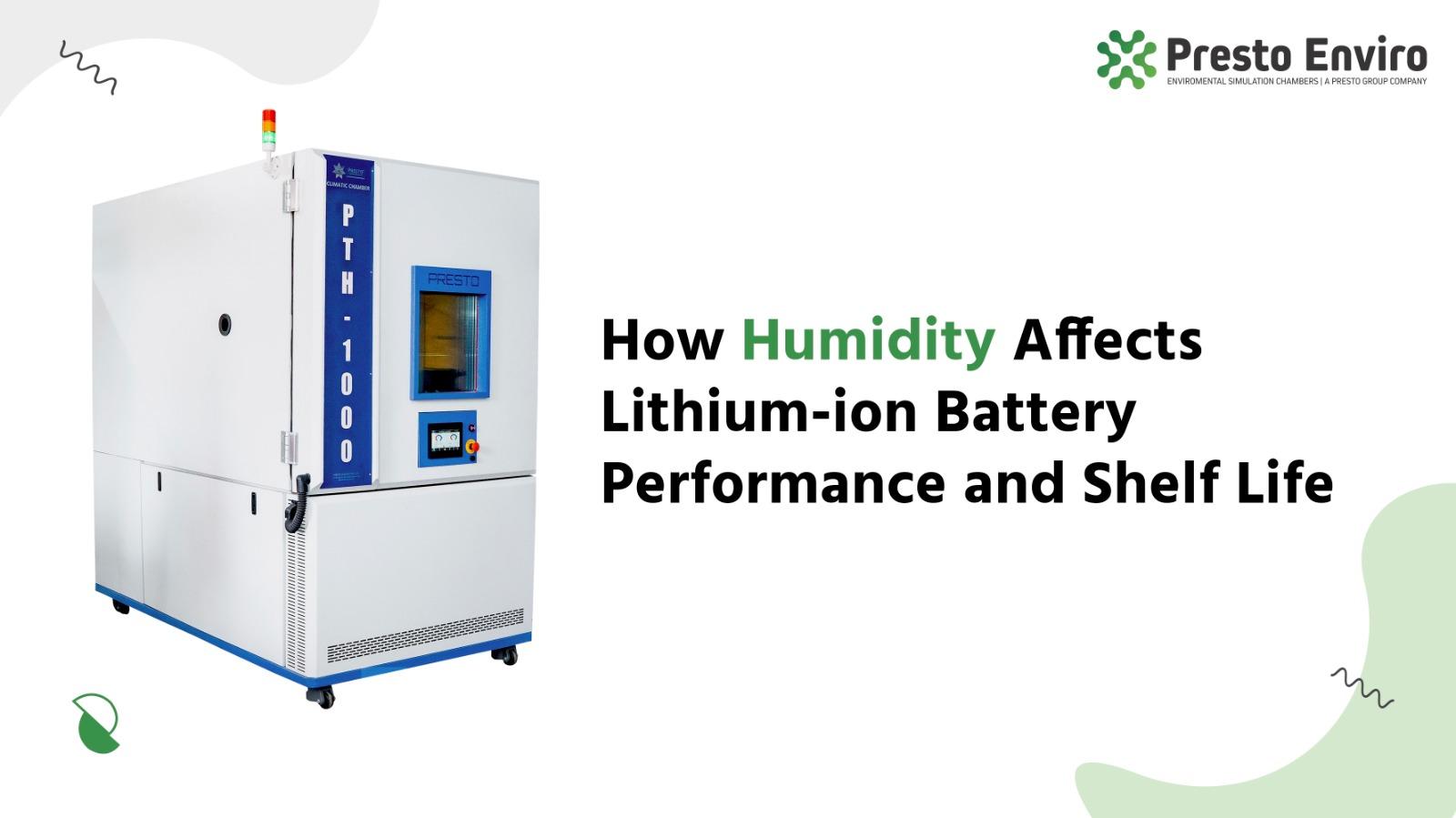
Many testing facilities use humidity chambers from Presto Enviro for battery testing applications. Their chambers help manufacturers evaluate battery durability, storage stability, and performance consistency under different humidity levels.
Humidity may not damage a lithium ion battery overnight but the effect builds slowly with time. Performance becomes unstable, charging efficiency drops, and shelf life gets shorter. Safety hazards may also arise following prolonged exposure to moisture in some instances.
These sources can be minimized through proper storage conditions, controlled charging environment, and humidity testing. The environmental tests are now an integral part of battery quality control, particularly for battery manufacturers.
Presto Enviro is one of the trusted humidity test chamber manufacturers helping industries evaluate battery performance under controlled humidity conditions. Their testing solutions support manufacturers in improving battery durability, reducing moisture related failures, and delivering more reliable products to the market.
Elevate your quality assurance process to new heights
Related Blogs
23-Sep-2026
Presto Enviro
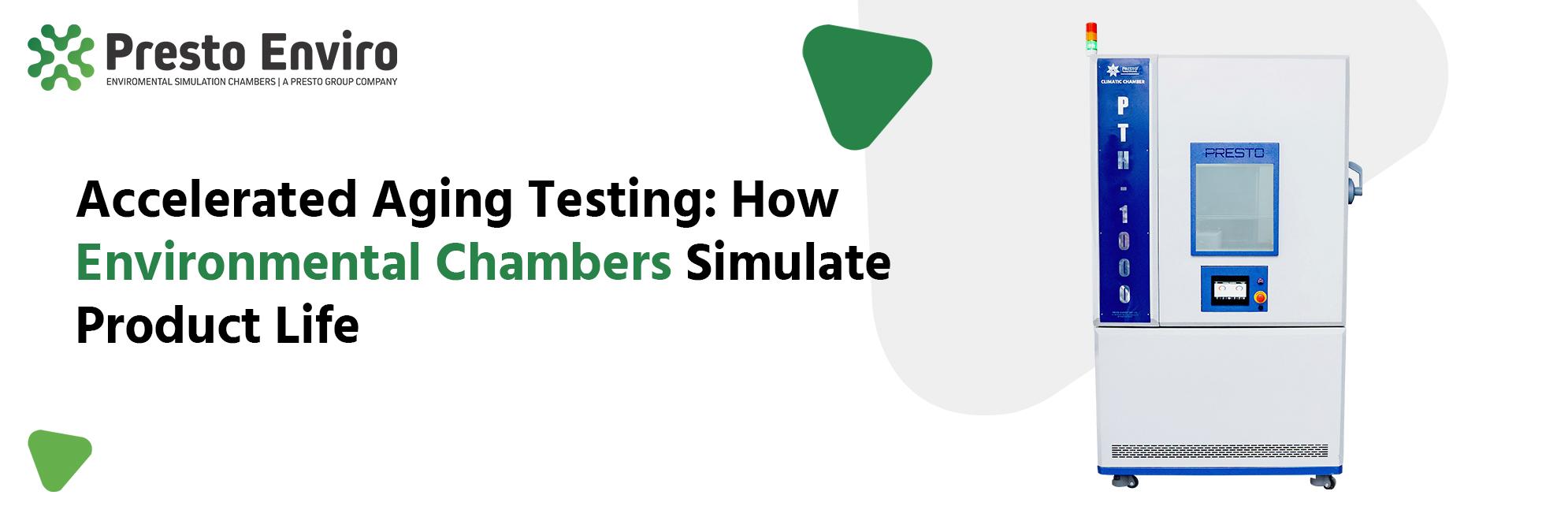
Products are expected to work reliably for months or years, but manufacturers cannot always wait that long to find out how they will perform. Accelerated aging testing solves this problem by exposing products to controlled environmental conditions that speed up certain aging effects.
20-Sep-2026
Presto Enviro
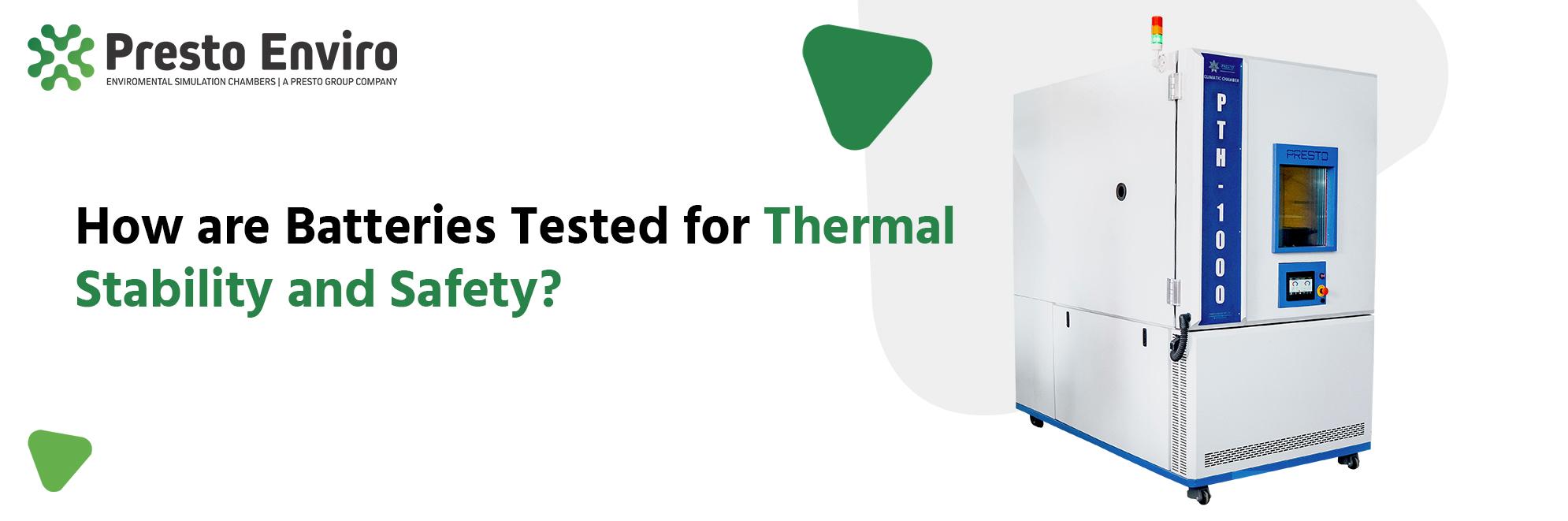
Battery safety is not something manufacturers can check only after a battery is ready for use. Temperature, charging conditions and repeated use can change the way a battery behaves. In some cases, excessive heat can cause permanent damage or create serious safety risks.