© Copyright 2025. All Rights Reserved by Presto Stantest Pvt. Ltd.
12-Dec-2025
Presto Enviro
Do you ever wonder why some products stay steady in harsh weather while others fail without warning? Many items face heat, cold, moisture, sunlight, and long storage hours. These small shifts in climate quietly change how a product behaves. A tiny temperature swing can bend a plastic part. A sudden chill can crack a material. A warm rise can weaken an electrical joint.
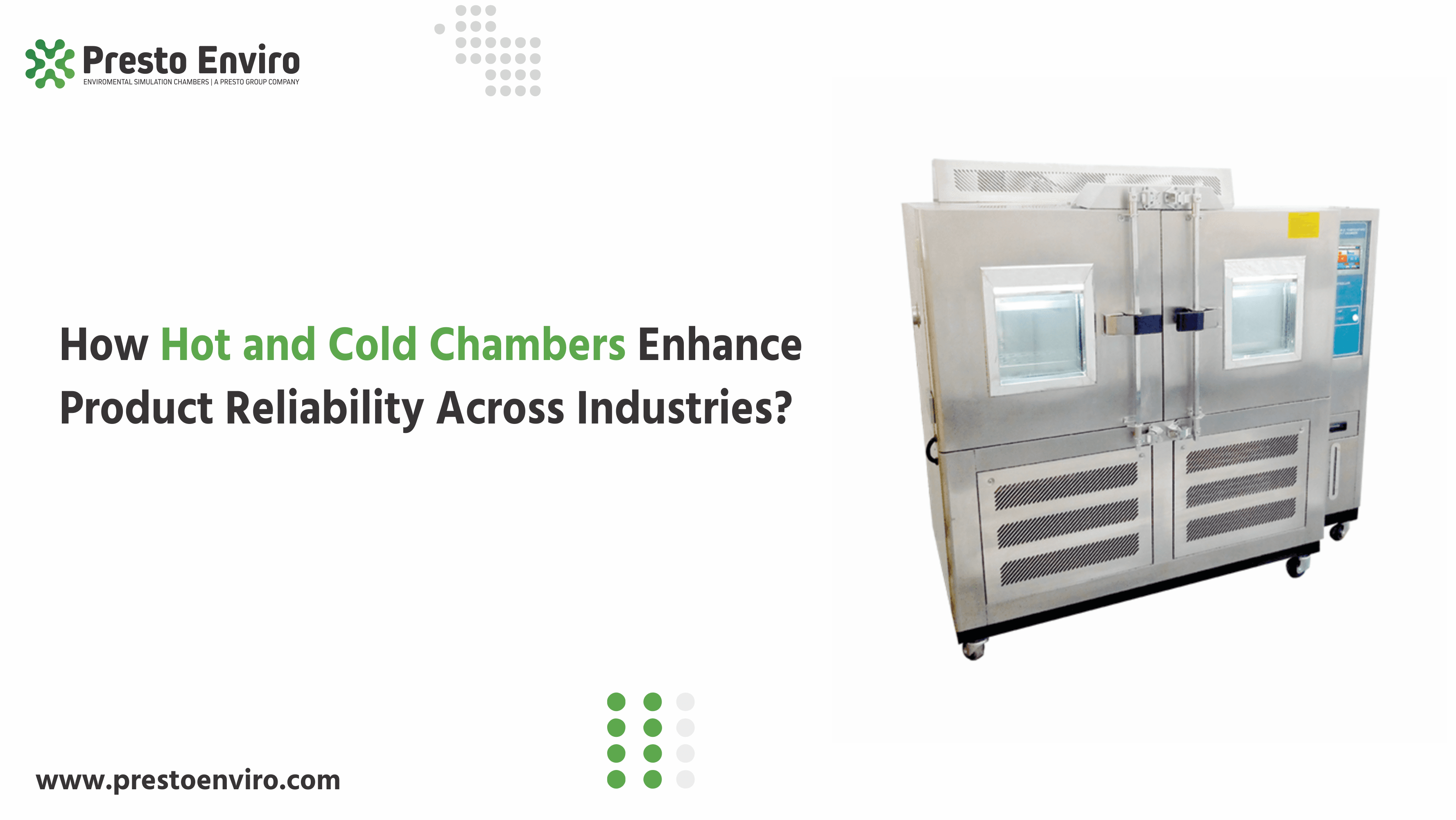
Hot and cold chambers step in at this point. They bring the real world inside a controlled box. They let you see how your product reacts when nature pushes it from one extreme to another. This one step brings calm to your manufacturing line because you spot weak points before the market does.
A hot and cold chamber copies extreme climate conditions. It swings between high heat and freezing cold. It holds each step with steady control. Then it shows how your sample responds.
This gentle cycle of heating and cooling gives you a true picture of material strength. You understand how the product ages. You see cracks. You notice shape changes. You catch small faults that would have shown up only after months of use.
Different industries in Nigeria and elsewhere are shifting to climate-tested products. Electronics must survive hot rooms and long storage. Plastics face outdoor temperatures. Automotive parts travel through dust and heat. Food packaging sits through warm transport.
A simple guess is never enough anymore. The chamber creates conditions that help you read early signs of trouble.
It helps you pick the right material grade. It supports your design team. It protects your brand from returns. It gives your customer a product that stays calm during daily use.
Electronics
Phones, chargers, sensors, and circuit boards face temperature swings every day. A chamber exposes them to heat and cold repeatedly. Weak joints open up. Loose parts show themselves. The test helps companies remove flaws before the product reaches the user.
Automotive
Cars run through deserts, highways, and cold mornings. Every part must stay stable. Rubber parts, cables, plastic panels, meters, and sensors all face constant temperature shifts. Hot and cold chambers help engineers judge how these parts react under such conditions.
Aerospace
Aircraft parts must tolerate both extreme cold at high altitudes and high temperatures during ground operations. A chamber lets engineers study how materials behave under such pressure.
Pharma and Medical
Medicines, syringes, packaging, and devices must stay safe during temperature changes. A chamber helps pharma companies understand how their product reacts when moved from cool storage to warm environments.
Packaging
A carton that seems strong in normal weather can turn soft in heat or brittle in cold regions. Packaging teams test boxes, bottles, films, and seals to see how they change during transport.
Electrical Appliances
Refrigerators, AC units, and household appliances face shifting climates. Temperature testing reveals how long they can stay stable without performance drops.
Automotive Plastics and Rubber
Dashboard parts, gaskets, hoses, and interior fittings expand and contract daily. A chamber brings out weak spots early.
A product that passes hot and cold testing gains a deeper level of trust. It goes through conditions harsher than real life. If it remains steady inside the chamber, it stays steady when used by customers.
These tests help companies catch early cracks, electrical failures, seal leaks, material distortion, and coating damage. They also help engineers compare materials, choose better parts, and upgrade designs.
The chamber also reduces the risk of sudden field failures. It saves companies from costly rework. It protects their brand from complaints and returns.
Testing Instruments offers chambers that offer smooth climate control. The build stays firm even during long test cycles. The inner body supports stable air movement. Their team brings quiet guidance to your setup. They walk you through the controls step by step. They help your staff learn the machine with ease. If a doubt appears, they answer with clarity. Their long presence in environmental testing helps you make calm decisions about your product and its future performance.
Hot and cold chambers have become an important part of modern product development. They take guesswork out of climate testing and spot weaknesses early. They help brands deliver products that stay steady when temperatures rise or fall.
With industries growing and customer expectations rising, these chambers give you a safer path. They give you confidence in your material choice. They bring comfort to your production line. A simple test cycle can save months of trouble later. It keeps your product journey smooth from factory to user.
What can be tested inside a hot and cold chamber?
You can test electronics, plastics, rubber parts, automotive components, packaging materials, and many other items that face temperature swings.
How long does a typical test take?
It depends on the cycle you choose. Some tests run for a few hours. Others cover long durations to study aging and fatigue.
Does the chamber copy real outdoor weather?
Yes. It creates heat, cold, and controlled transitions. It gives a close picture of how products react outdoors.
Why do companies use these chambers?
They want to spot faults early. They want a product that stays steady during use, travel, or storage. Testing reduces returns and saves cost.
Can this testing help in product design?
Yes. It shows early signs of bending, cracking, or weakening. Designers use these clues to adjust material choice and structure.
Elevate your quality assurance process to new heights
Related Blogs
15-Sep-2026
Presto Enviro
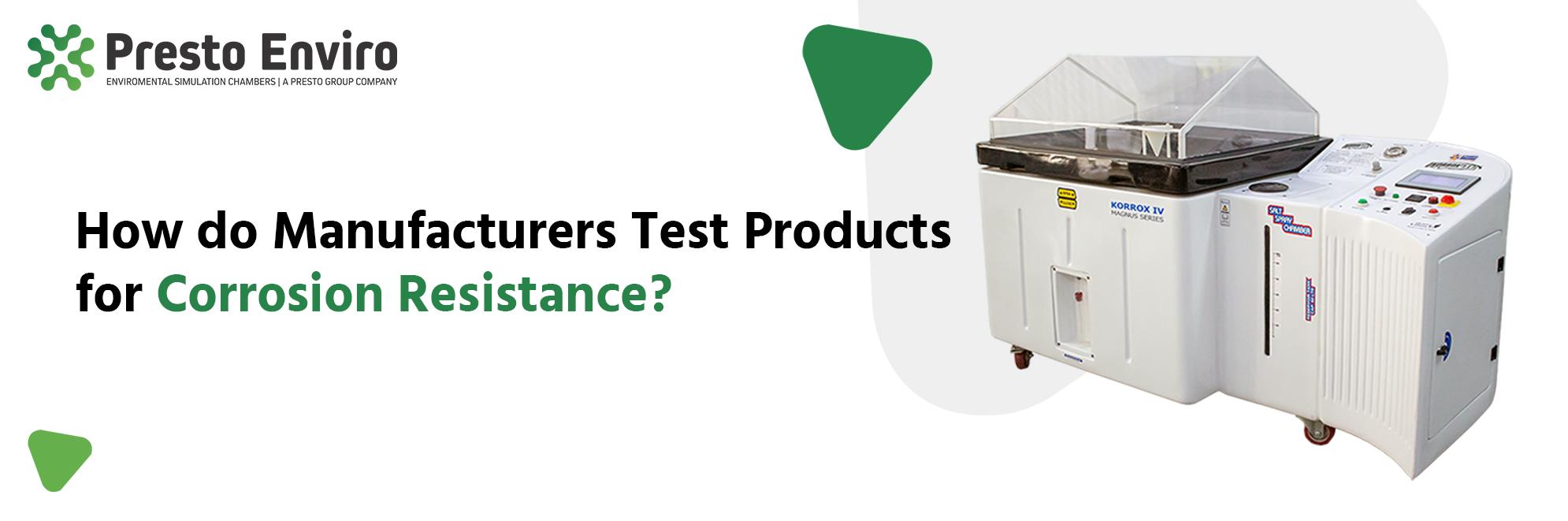
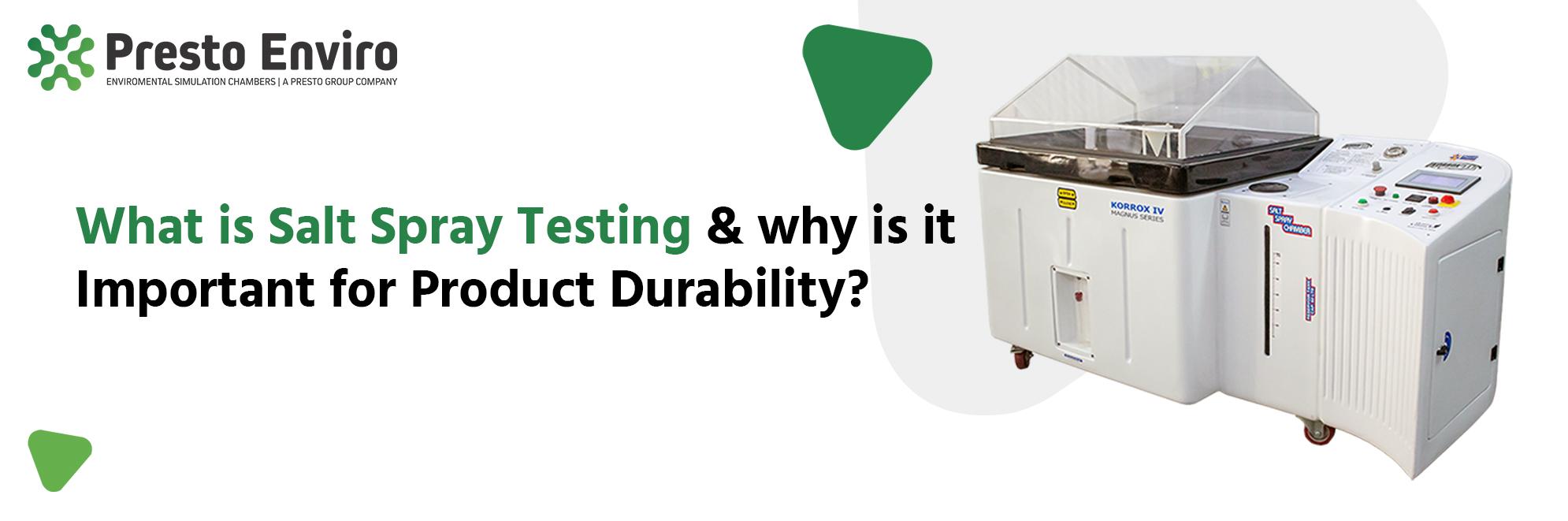
Corrosion is one of those problems that may appear mild at first and later turn costly. A metal part may leave the manufacturing facility appearing undamaged, yet suffer corrosion, stain formation or coating failure as a result of its contact with moisture, salts and changing weather conditions.
11-Sep-2026
Presto Enviro
Metal parts exposed to environmental elements like rain, high humidity and saline air are subjected to quick degradation. Manufacturers don’t have years to wait to see long-term real-world durability with immediate shipping deadlines.