© Copyright 2025. All Rights Reserved by Presto Stantest Pvt. Ltd.
27-Jan-2025
Presto Enviro
In today's contemporary world, reliability and longevity, especially in the context of electronics and materials in a rapid industrial environment are crucial. It is a fact that environmental factors like temperature, humidity, and moisture cause mass destruction to the performance, functionality, and life cycle of the product. It leads to acceleration of wear, material degradation, and compromise of integrity, thus it will put both the manufacturers and the users at odds with the system.
Humidity chambers have been highly effective in handling the above problems. These sophisticated testing equipment, with accurate conditions, represent actual environmental settings that allow controlled acceleration. Thus, manufacturers have more precise data, which are useful for enhancing design, improving quality, and conforming with tight standards in any industry.
Humidity is a major factor that affects electronics and materials. Some of the common problems include:
The aforementioned risks mean the need for environmental testing control is essential for judging the product's durability and toughness under diverse conditions.
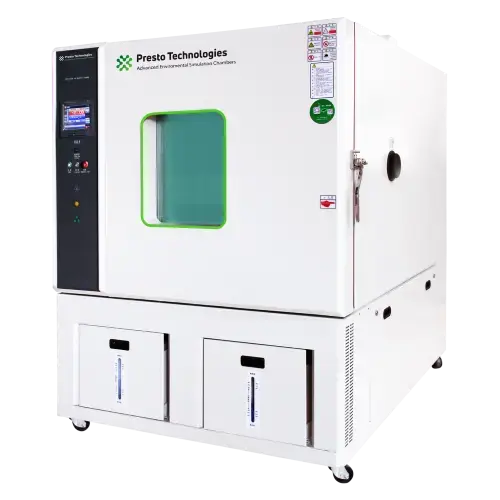
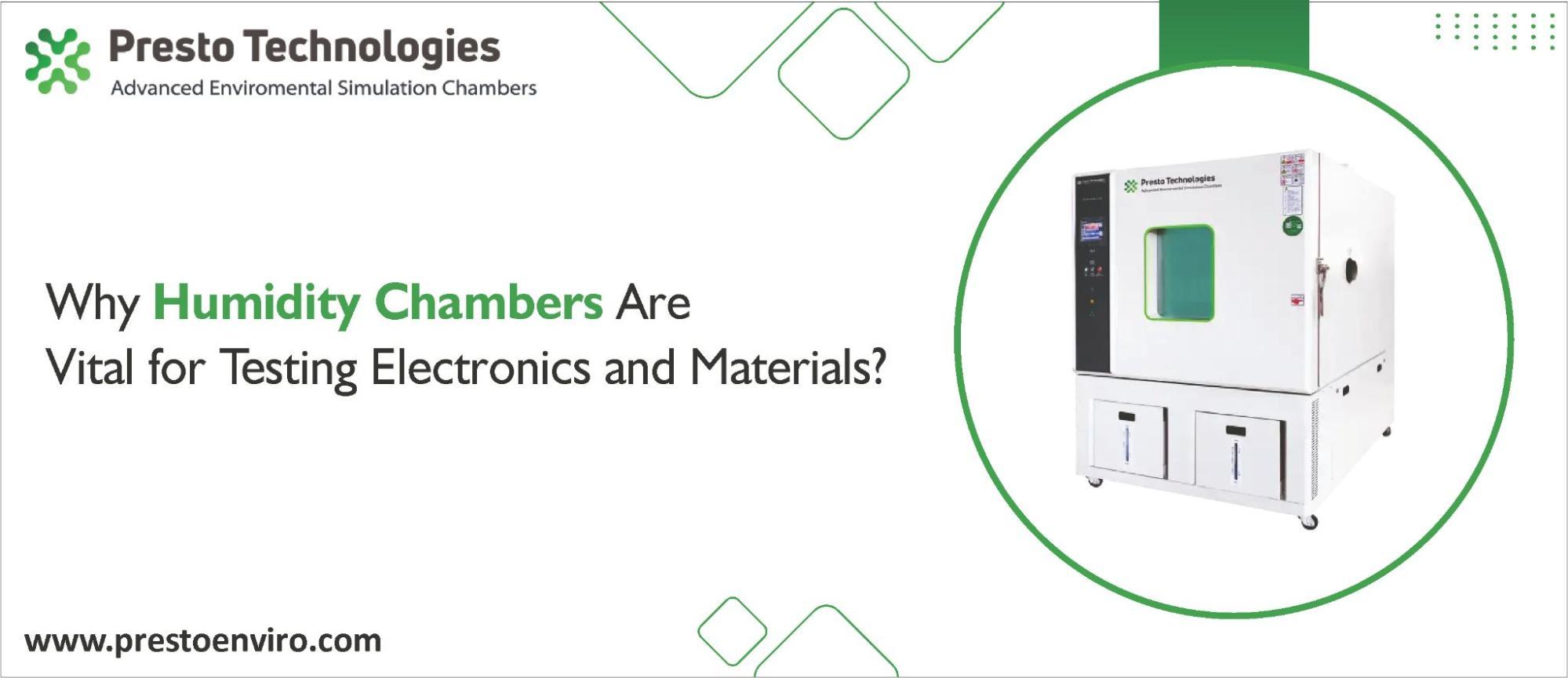
A humidity chamber is an extremely specialized test equipment used for simulating controlled environmental conditions such as temperature and humidity. It enables accelerated life testing so that manufacturers can forecast how the product will perform.
Functionality:
Humidity chambers utilize sensors, heaters, and cooling systems for maintaining precise levels of temperature and humidity. Thus, the control environment simulates real-world environments, providing extremely valuable insights regarding how products respond under environmental stress conditions.
The electronics industry strictly tests its products to make them resistant to aggressive environmental conditions from transportation to storage and usage. Humidity Chambers offer:
Accelerated testing involves the use of the Arrhenius Equation to compress years of exposure to environmental testing within hours, enabling rapid and actionable results.
Many materials including polymers, textiles, metals, and paints are put through numerous tests in humidity chambers to determine their performance while exposed to moisture. The chambers:
Humidity cabinets enable manufacturers to meet international regulations, such as:
Originally known for its use in electronic components, IEC 60068 is an advanced test standard that describes conditions for testing at high humidity and various temperatures. The tests are critical in evaluating the DUT (Device Under Test) and specimens regarding their ability to withstand moisture absorption and environmental stress.
ISO 16750-4 remains a crucial guideline for testing automobile and industrial materials.
Innovative Humidity Chambers
Humidity chambers are designed to perfection with efficiency. They feature the following aspects.
The inner chamber is made up of Grade 304 stainless steel with durability in mind.
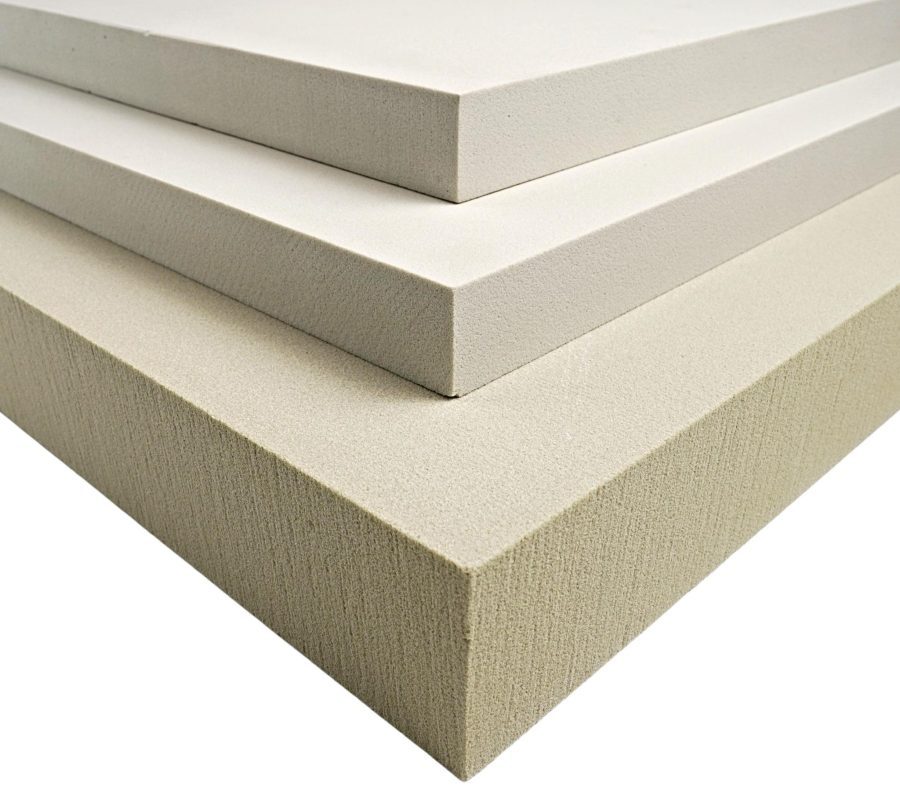
Insulating thermal stability with polyurethane foam and glass wool.
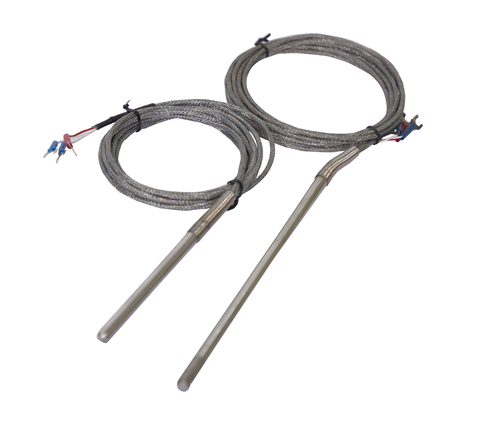
PT 100 sensors (precise temperature readings, often within ±0.1°C to ±0.5°C) provide accurate temperature measurements with less self-heating.
Chambers of 1000L capacity, as per IEC 60068-3, provide sufficient room for the testing of bulk or big components.
A wet Bulb Sensor with better quality muslin cloth assures precise humidity detection.
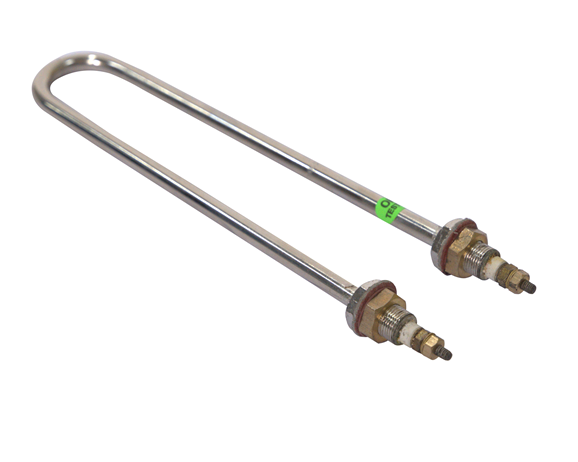
Nichrome U-type heaters offer homogeneous and uniform heating.
Low water alarms and temperature overshoot alarms eliminate operational errors.
FAQs
The sectors using humidity chambers are electronics, automotive, aerospace, and construction.
It lasts for 12 hours to 56 days depending on the requirements and standards set up.
Chambers using the Arrhenius Equation can mimic years of exposure to environmental factors in a few hours, so it's not too long to wait for information on product performance.
Ready to ensure your products stand the test of time and environmental stress? Contact us today!
Phone: +91 9773666011
Email: response@prestoenviro.com
Elevate your quality assurance process to new heights
Related Blogs
20-Sep-2026
Presto Enviro
Battery safety is not something manufacturers can check only after a battery is ready for use. Temperature, charging conditions and repeated use can change the way a battery behaves. In some cases, excessive heat can cause permanent damage or create serious safety risks.
15-Sep-2026
Presto Enviro
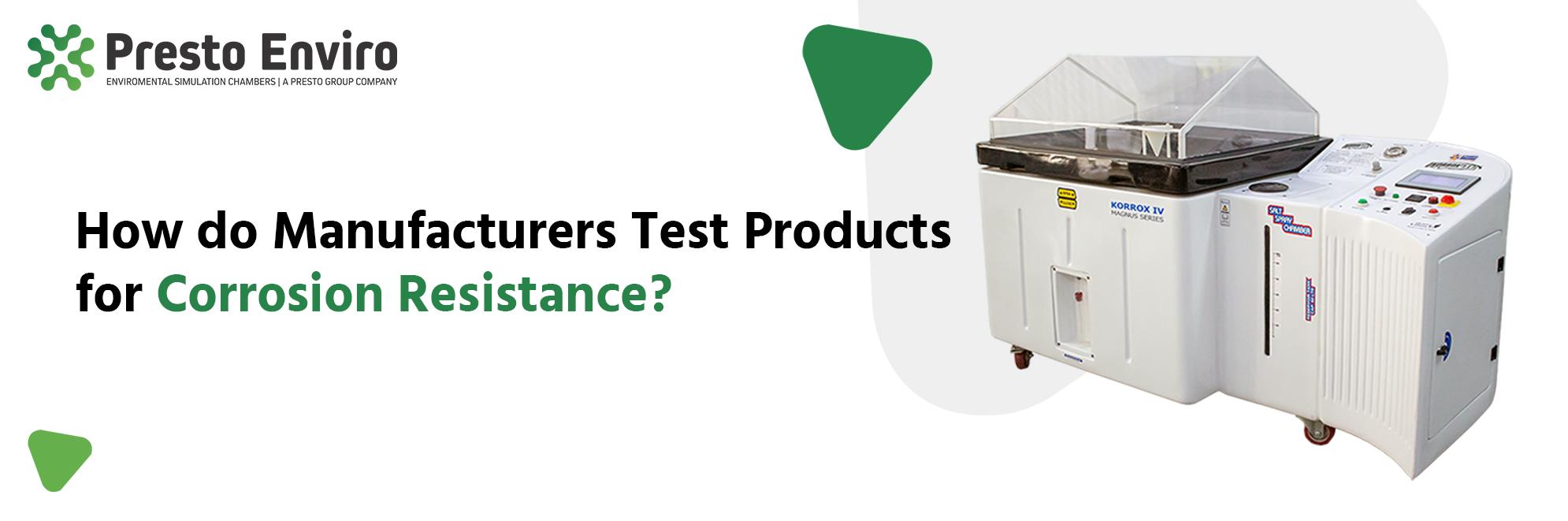
Corrosion is one of those problems that may appear mild at first and later turn costly. A metal part may leave the manufacturing facility appearing undamaged, yet suffer corrosion, stain formation or coating failure as a result of its contact with moisture, salts and changing weather conditions.
11-Sep-2026
Presto Enviro
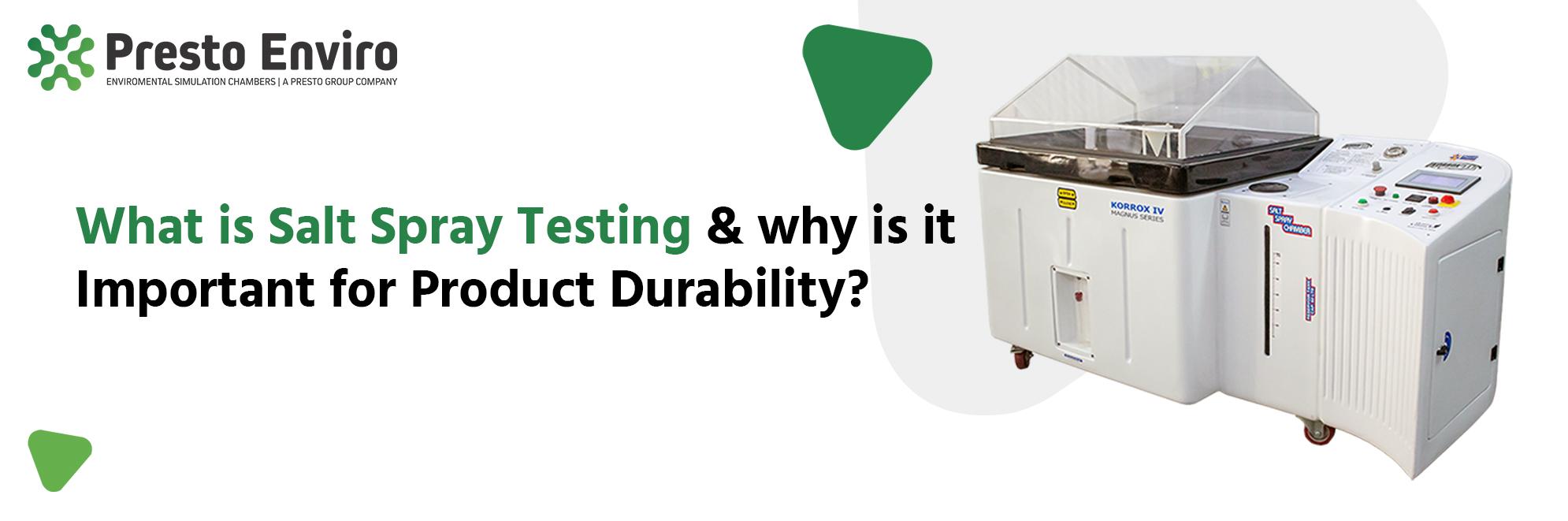
Metal parts exposed to environmental elements like rain, high humidity and saline air are subjected to quick degradation. Manufacturers don’t have years to wait to see long-term real-world durability with immediate shipping deadlines.