© Copyright 2025. All Rights Reserved by Presto Stantest Pvt. Ltd.
28-Apr-2026
Presto Enviro
Products fail in the real world all the time and the reasons are not always obvious during development. Heat, moisture, sudden temperature shifts, prolonged humidity — These things break down materials and components gradually and standard lab testing often misses it until it is too late.
Products fail in the real world for reasons that are not always obvious during development. Heat, moisture, sudden temperature shifts and prolonged humidity exposure break down materials and components in ways that standard lab testing rarely catches in time.
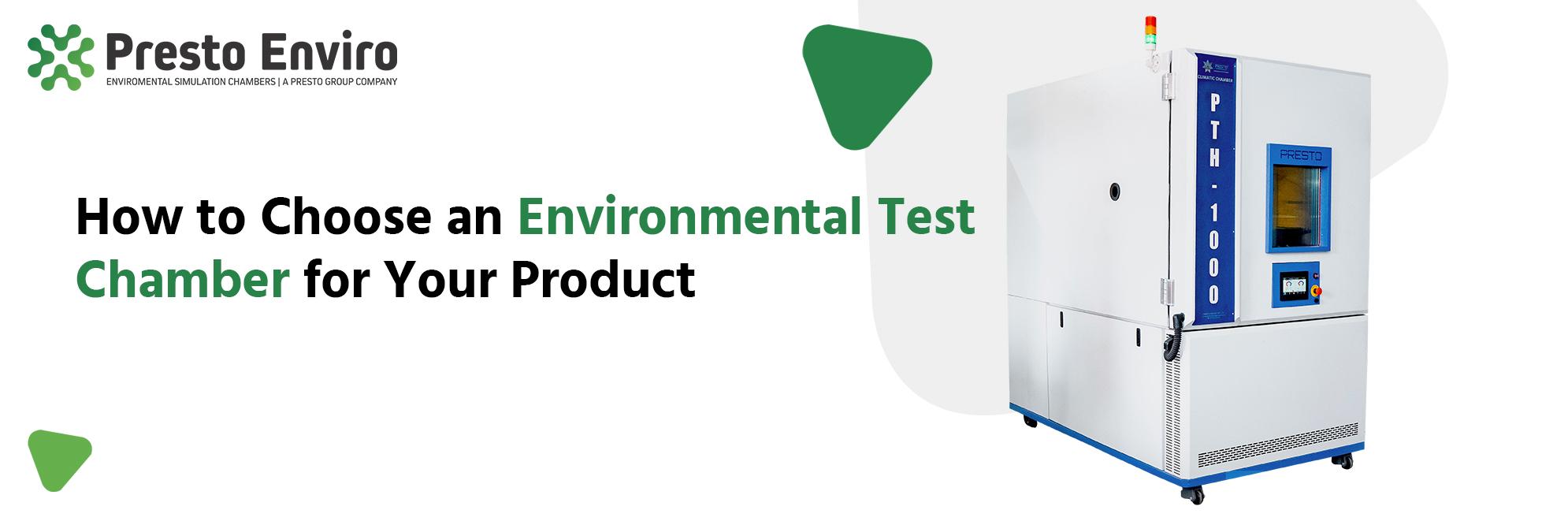
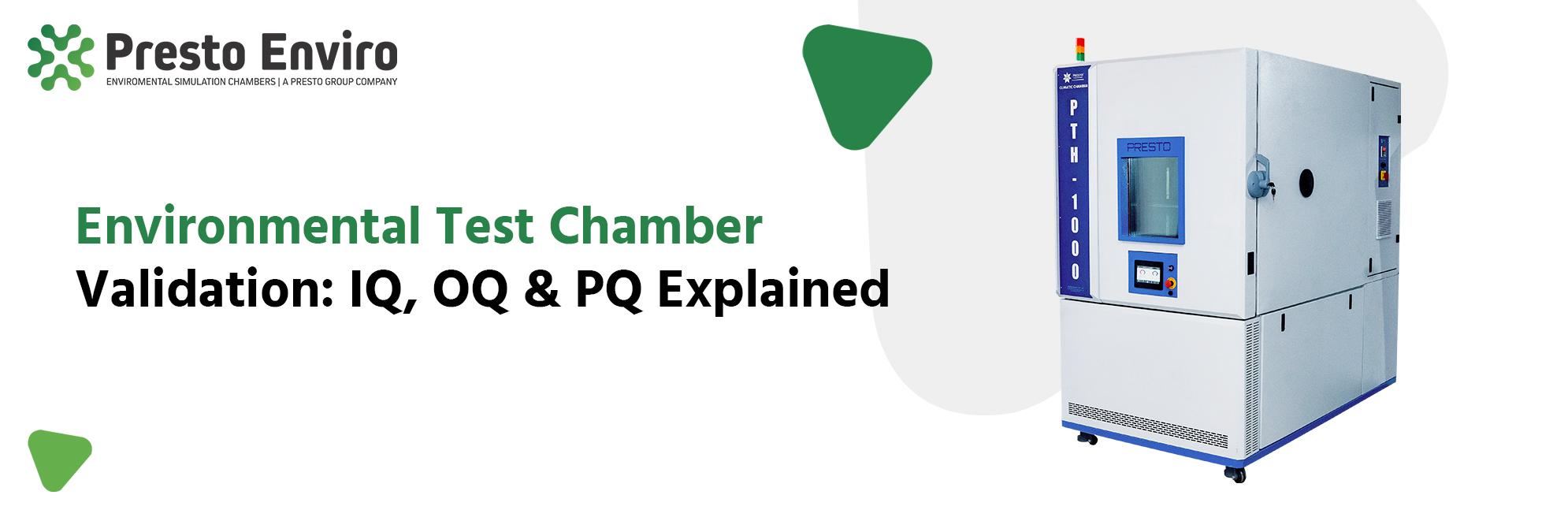
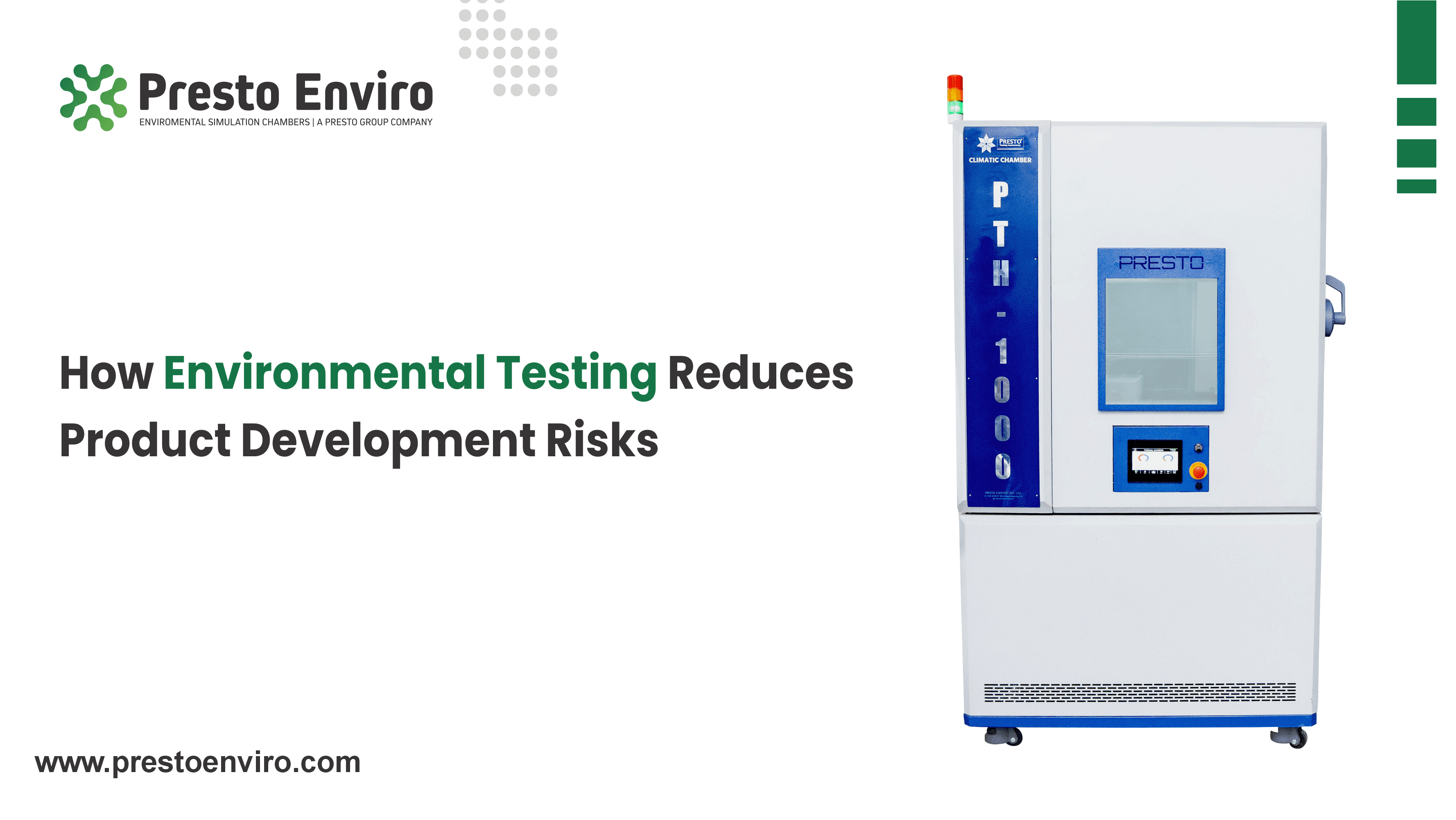
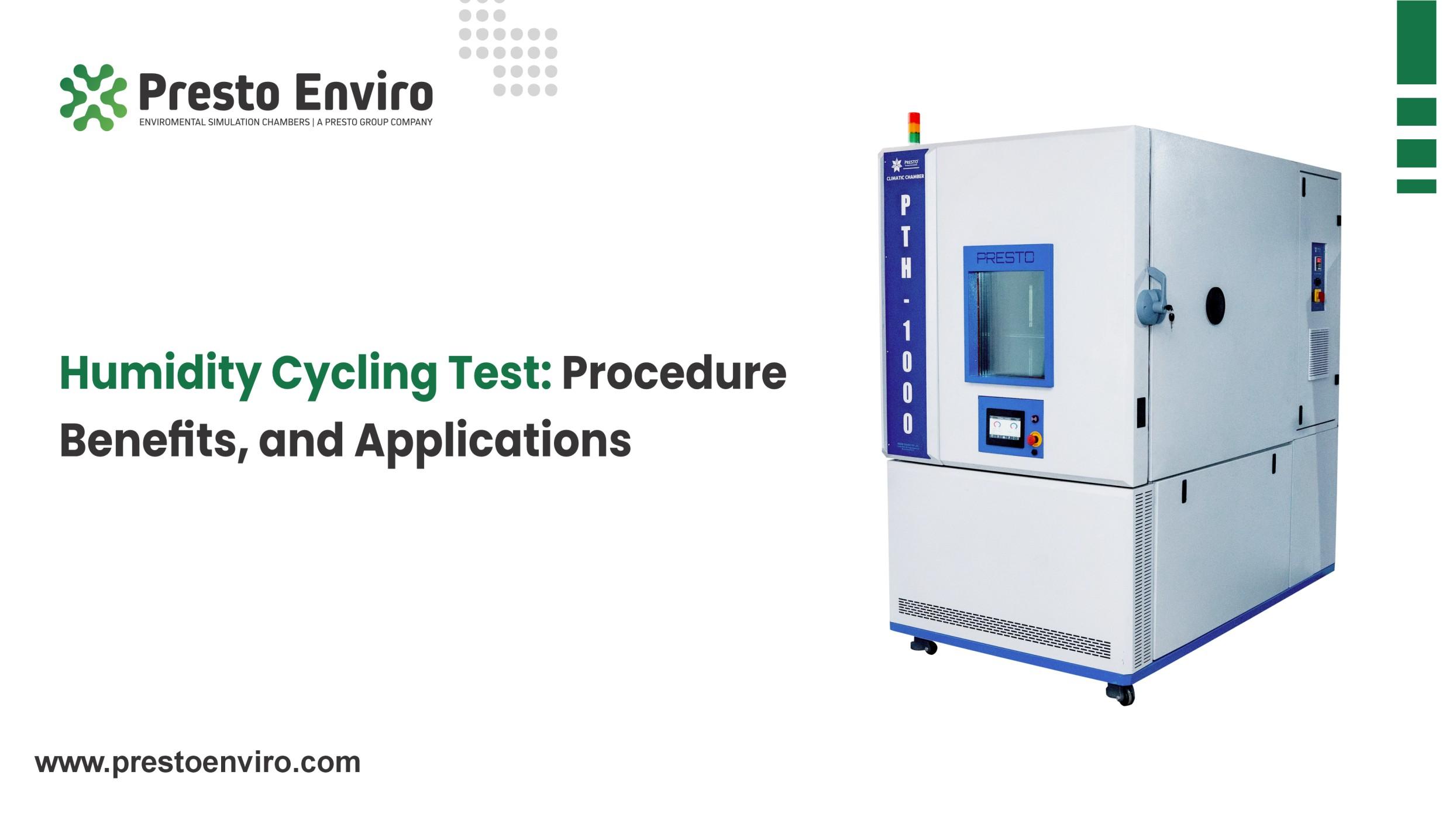
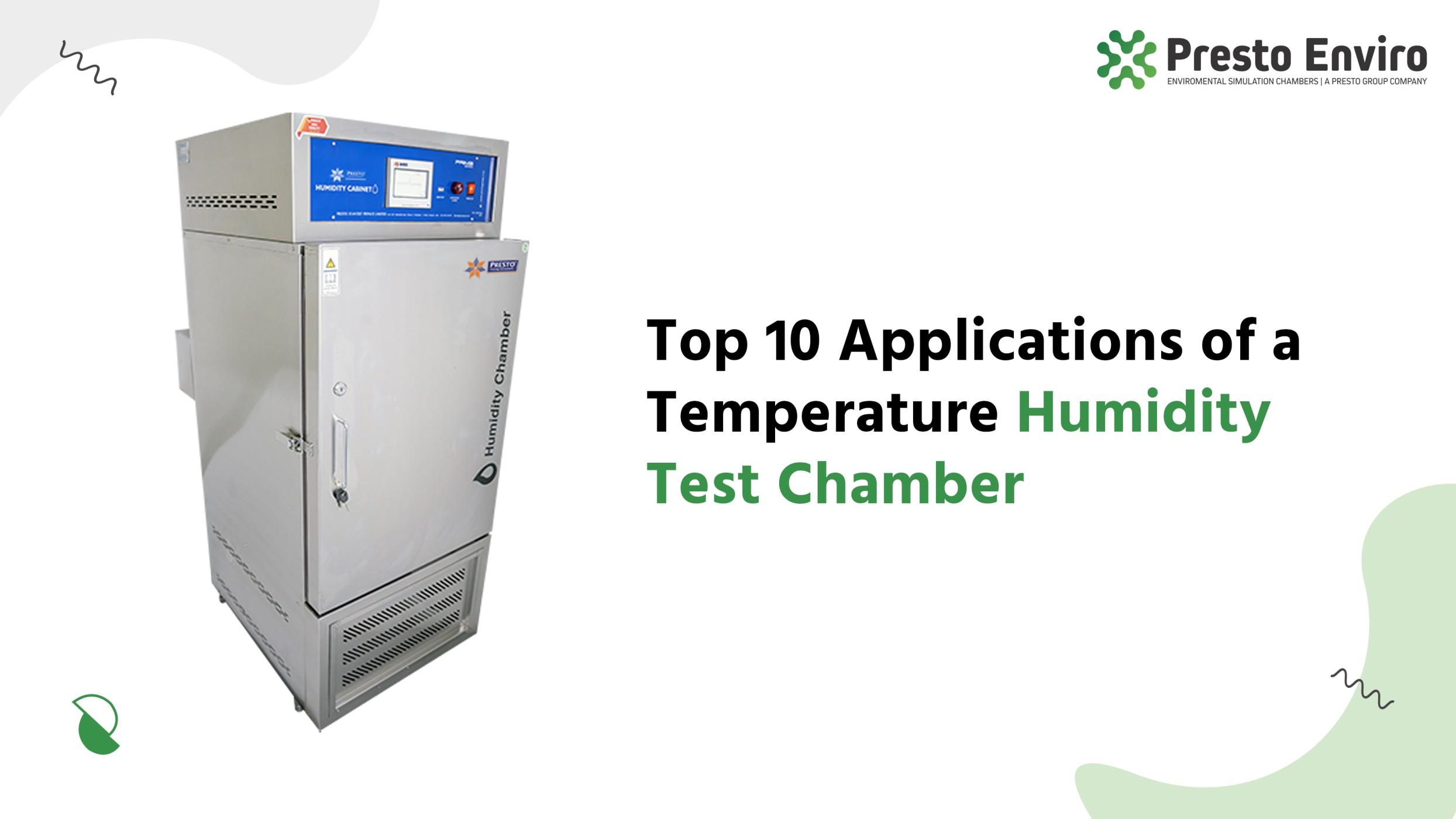
A temperature humidity test chamber is a sealed, controlled environment equipment used to simulate specific temperature and humidity conditions. It helps to evaluate product durability and performance under environmental stress.
Temperature and humidity are set to the limit as per the requirements of the tested product. Whatever conditions manufacturers want, they expose the product for a defined period and observe how it responds. Does it hold up, degrade slowly or fail outright? The answer to that question is worth knowing before production scales up.
These chambers are used across electronics, pharmaceuticals, automotive, packaging and anywhere else that environmental reliability is not something you want to guess at.
A temperature humidity test chamber works through a combination of heating, refrigeration, and humidification systems that together maintain precise internal conditions throughout the test cycle.
The heating system raises the temperature. The refrigeration system brings it down. A humidification system with water as the medium adds moisture to the air and a dehumidification system removes moisture to maintain lower humidity levels. Both are monitored within the chamber and the values are returned to the controller.
The controller is where you program the test profile. Temperature ranges, humidity percentages, ramp rates and hold times. Once set, the chamber handles it automatically. Some tests run for a few hours. Others run for days. It depends entirely on what the test is trying to find out.
1. Electronics and Semiconductor Testing
Electronics are tested in these chambers to see how components actually behave under thermal stress and moisture. Circuit boards, connectors and semiconductors can develop failures that never show up under normal conditions but start appearing after sustained heat cycles or prolonged humidity exposure. Finding those failures in the chamber is far better than finding them through customer returns.
2. Pharmaceutical Stability Testing
Drug manufacturers use these chambers to study how medicines and their packaging actually hold up over time when exposed to controlled climate conditions. Regulatory bodies require documented stability data before a drug gets approved, and that data comes directly from chamber testing. Temperature and humidity affect chemical composition in real ways, so this is not optional testing in pharma. It is a requirement.
3. Automotive Component Testing
Sensors, wiring, rubber seals, plastic trims and coatings all go through environmental stress testing during automotive development. A component performing fine at room temperature may degrade quickly when subjected to under hood heat combined with high humidity over time. Catching that during development rather than through warranty claims is the whole point.
4. Aerospace and Defense Testing
Parts used in aerospace and defense face conditions that are difficult to predict and hard to replicate any other way. Chamber testing validates performance across high altitude cold, desert heat, and humid coastal environments in a controlled and repeatable manner. Given the consequences of failure in these industries, environmental testing is built into the development process from early stages.
5. Packaging and Material Testing
Packaging materials do not behave the same way across every environment they pass through. Cardboard goes soft and loses rigidity, adhesive labels start lifting and plastic films shift dimensionally. All of it happens quietly under the right humidity and temperature conditions. Testing packaging in a chamber before locking down the final design catches those problems early which matters a lot when the product is going to move through different climates before it reaches anyone.
6. Textile and Fabric Testing
Fabrics are evaluated for dimensional stability, color fastness and physical integrity under varying humidity and temperature conditions. Shrinkage, stretching or dye bleeding under specific conditions are exactly the kind of issues this testing surfaces early. This part matters particularly for performance clothing, outdoor gear and industrial textiles where environmental exposure is a core part of product use.
7. Food and Beverage Packaging Testing
Food packaging needs to keep food safe at all times while being stored safely through all types of storage methods. The chamber tests will check if the seals really work holding tight enough with regard to humidity. If the moisture is coming through the packaging material or if the packaging affects the food safety or shelf longevity. It is a practical step in food packaging development, not something you do just to tick a box.
8. Battery and Energy Storage Testing
Batteries are genuinely sensitive to both temperature and humidity. Lithium ion cells can experience capacity loss, accelerated degradation, or safety issues when exposed to heat or moisture over extended periods. Testing in controlled chamber conditions helps manufacturers understand performance limits and safety boundaries before these cells go into consumer devices or electric vehicles.
9. Paint and Coating Durability Testing
Humidity and temperature cycles are used to determine coatings on either metal, plastic or wood. Both in terms of their durability against corrosion and their surfaces being free from any defects. A coating that looks good under normal conditions could be defective after exposure to extreme humidity or conditions that produce extreme amounts of moisture. Chamber testing reveals those issues early without major cost.
10. Medical Device Testing
Medical devices must operate reliably in all environments where they may be stored, moved from one place to another or actually used. Environmental tests are done for all medical devices such as diagnostic equipment and implant sterilization products. The goal is to make sure the materials and electronics inside do not degrade in ways that could affect patient safety or measurement accuracy. Regulatory submissions for medical devices often require documented environmental testing as part of the approval process.
When the testing process demands consistency, the equipment running those tests has to be equally dependable. Presto Enviro has built a reputation as one of the trusted names in temperature humidity test chambers. Our chambers hold stable across long test cycles without the kind of drift that makes test data unreliable.
Precise control, durable build, and practical day-to-day operation make them a sensible choice for facilities running regular environmental testing. Whether it is pharmaceutical stability work, electronics qualification or packaging evaluation, the chamber has to perform the same way every cycle. Presto Enviro is worth a serious look if environmental testing is a regular part of your quality process.
Temperature humidity test chambers are where product reliability actually gets proven. Not in design reviews or material datasheets, but in controlled environmental exposure over real time periods.
Across electronics, pharma, automotive, food packaging, and medical devices, the applications are wide and the value is straightforward. Testing under realistic conditions during development reduces failures, saves cost, and builds the kind of product confidence that carries through to the end customer.
Elevate your quality assurance process to new heights
Related Blogs
28-Aug-2026
Presto Enviro
Every day, EV batteries face harsh conditions. On the road, a high-voltage pack may deal with sudden freezing slush, extreme heat buildup during 350kW fast-charging stops, and continuous structural pounding from bad pavement.